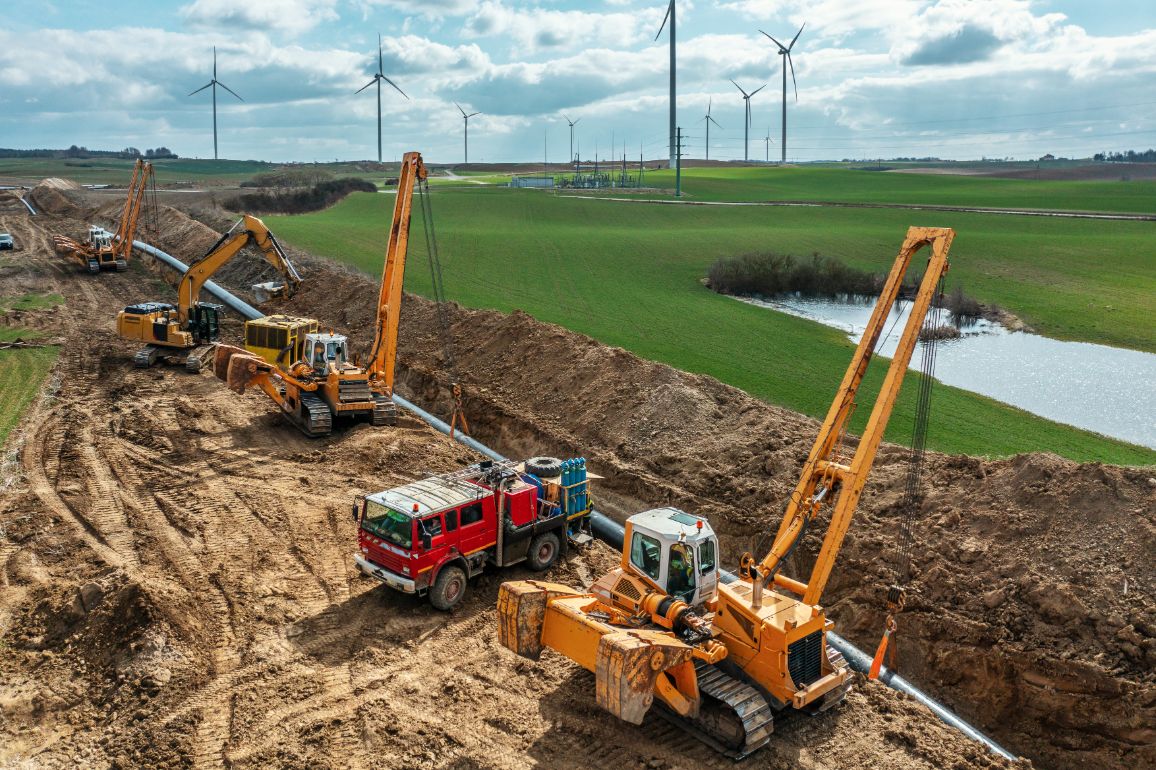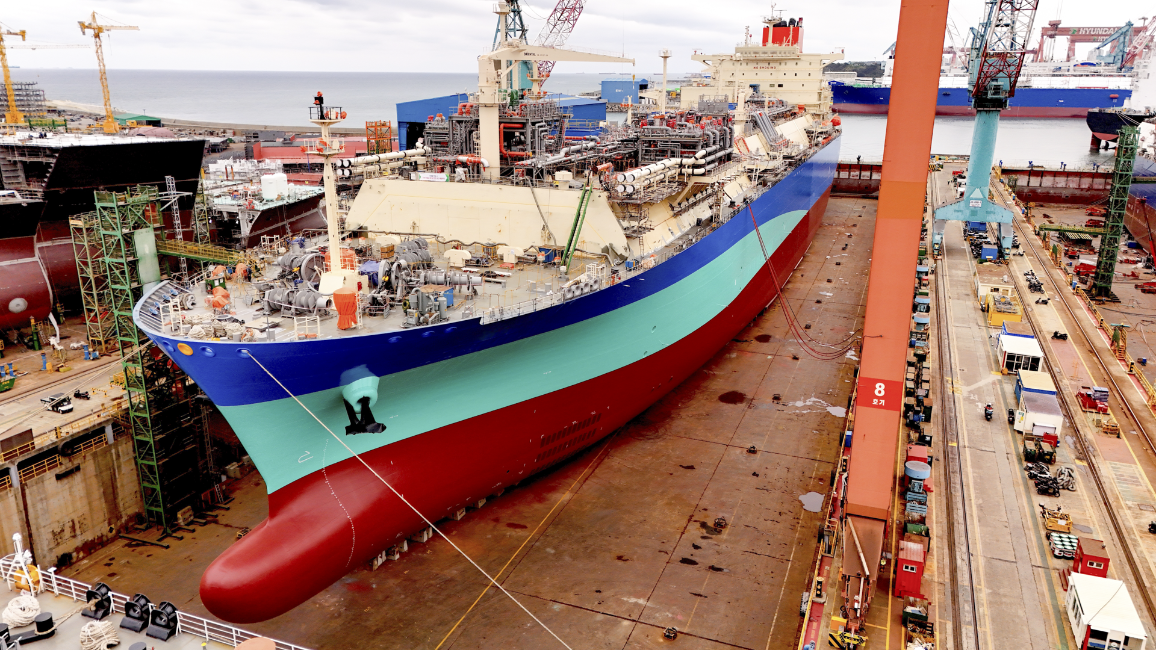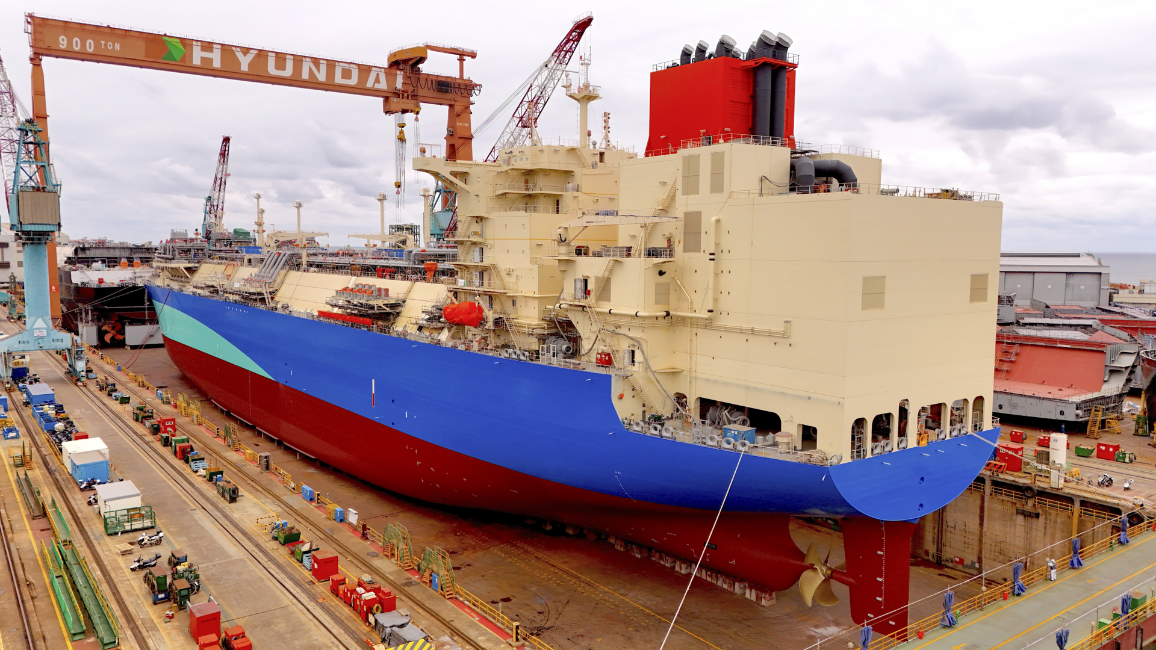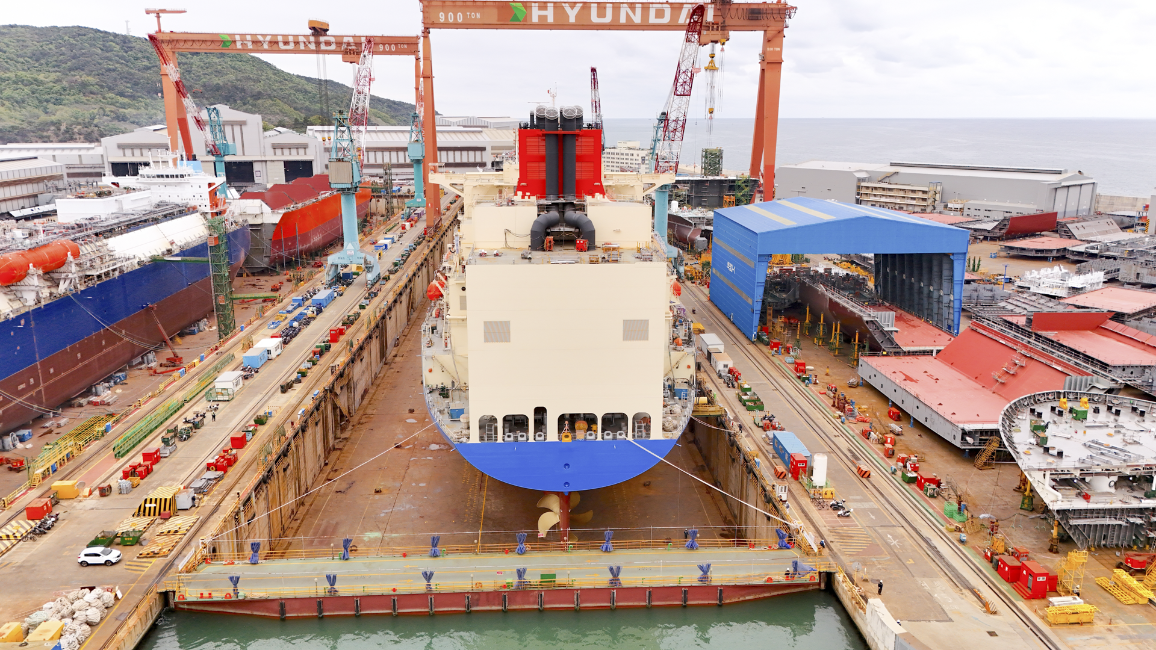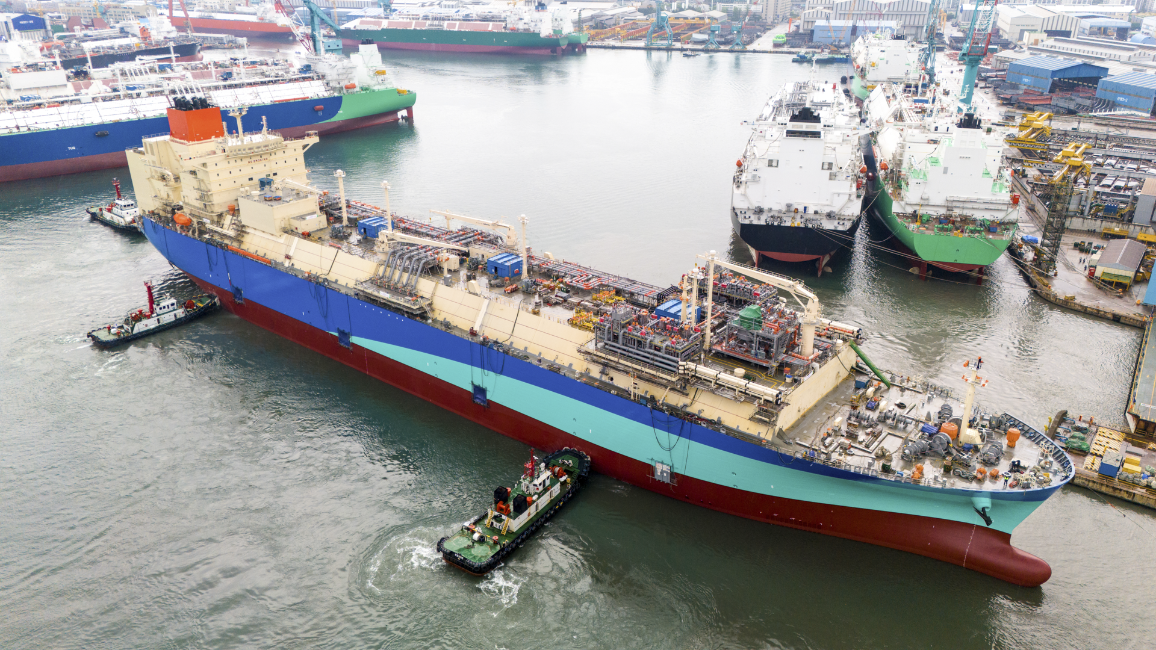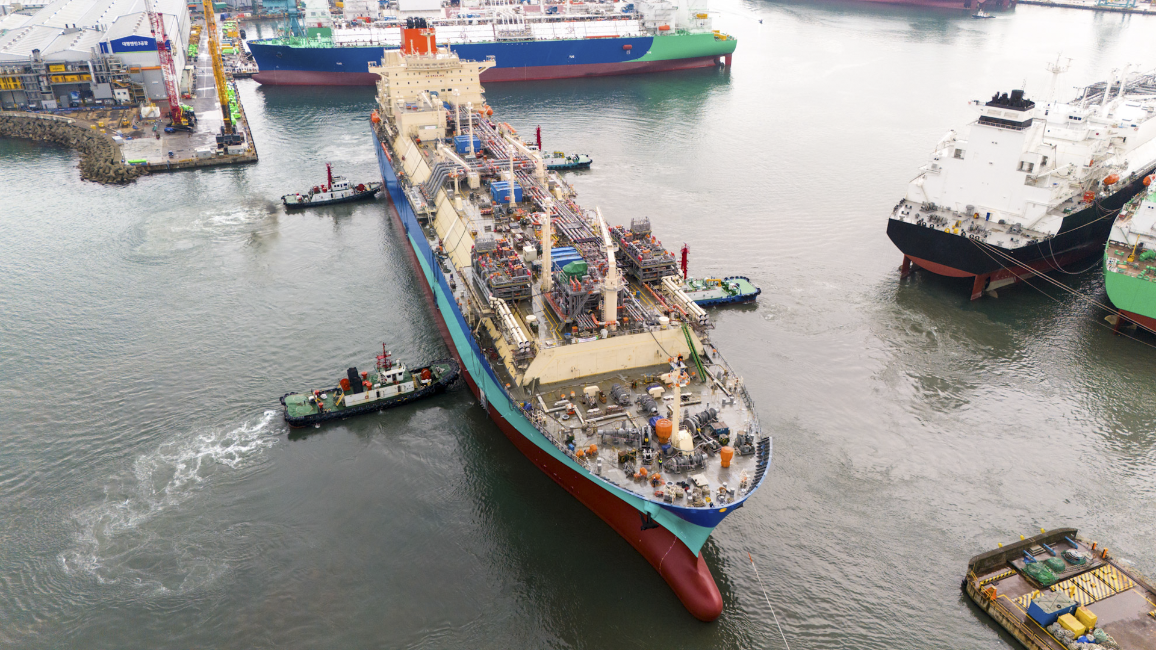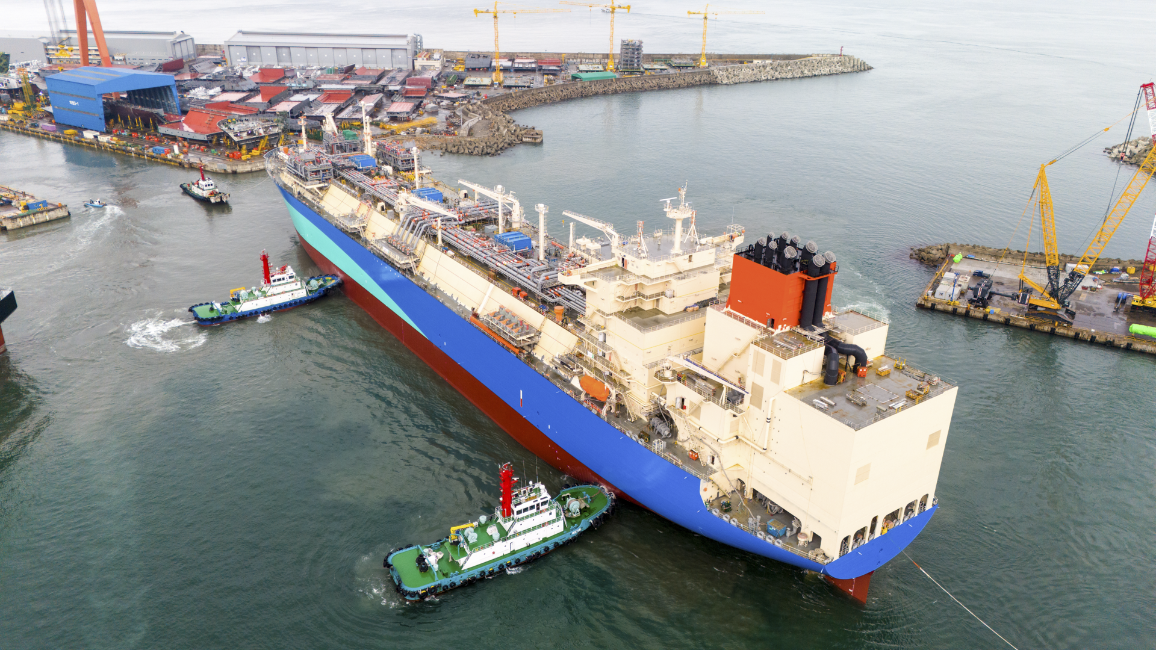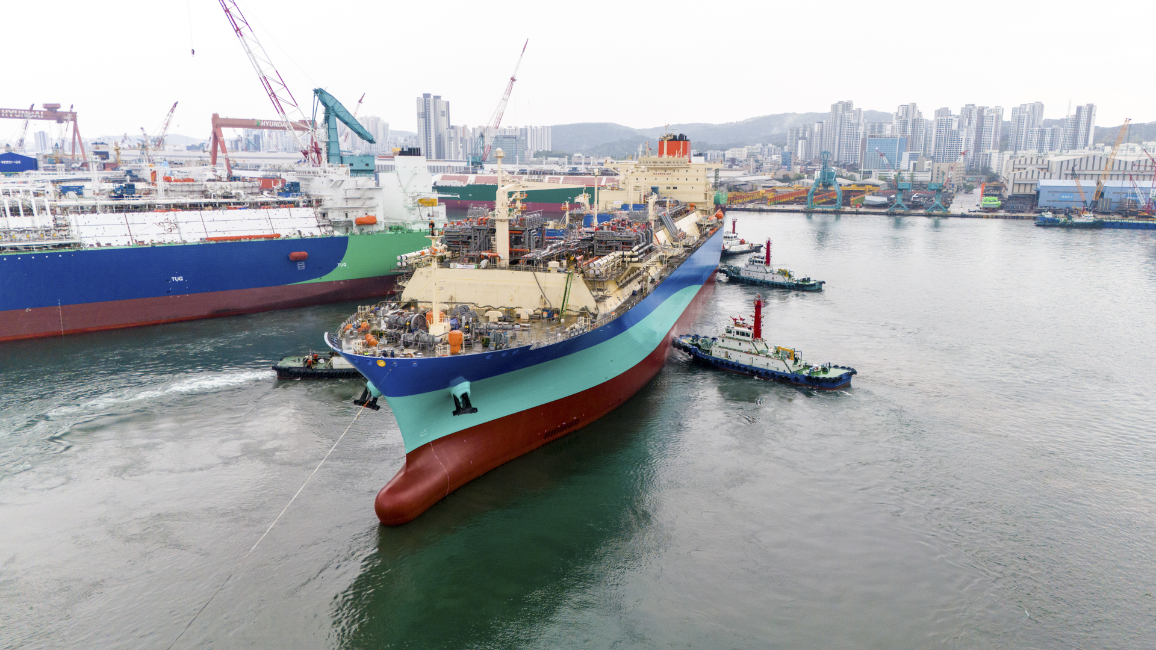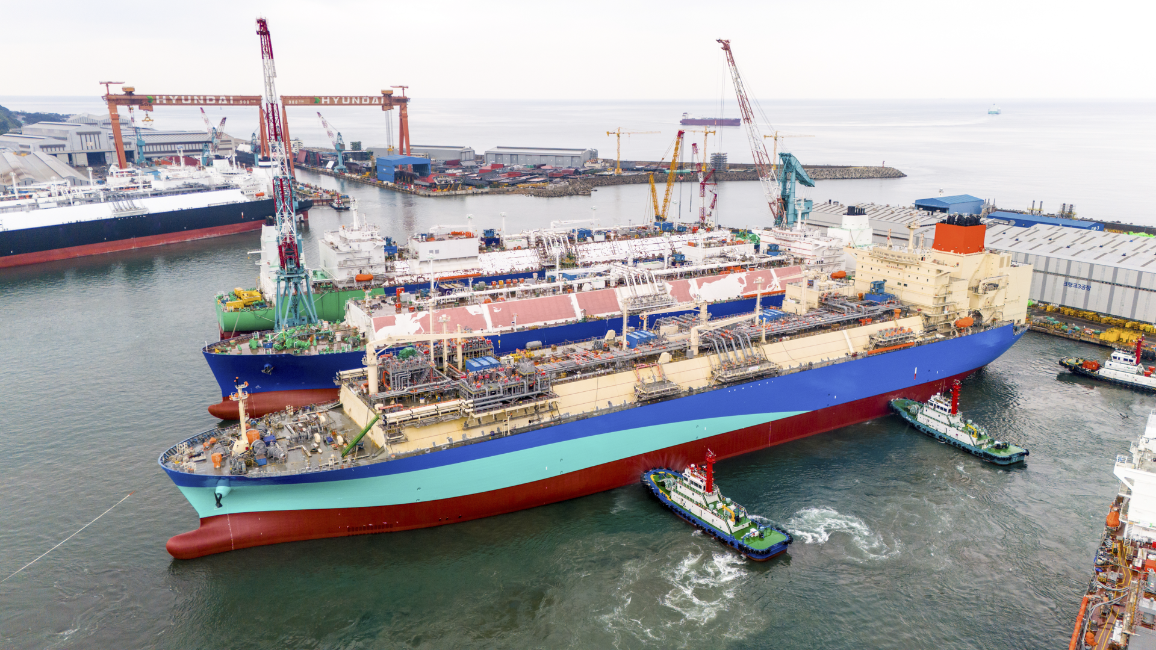

The third LNG Terminal to be developed in Poland

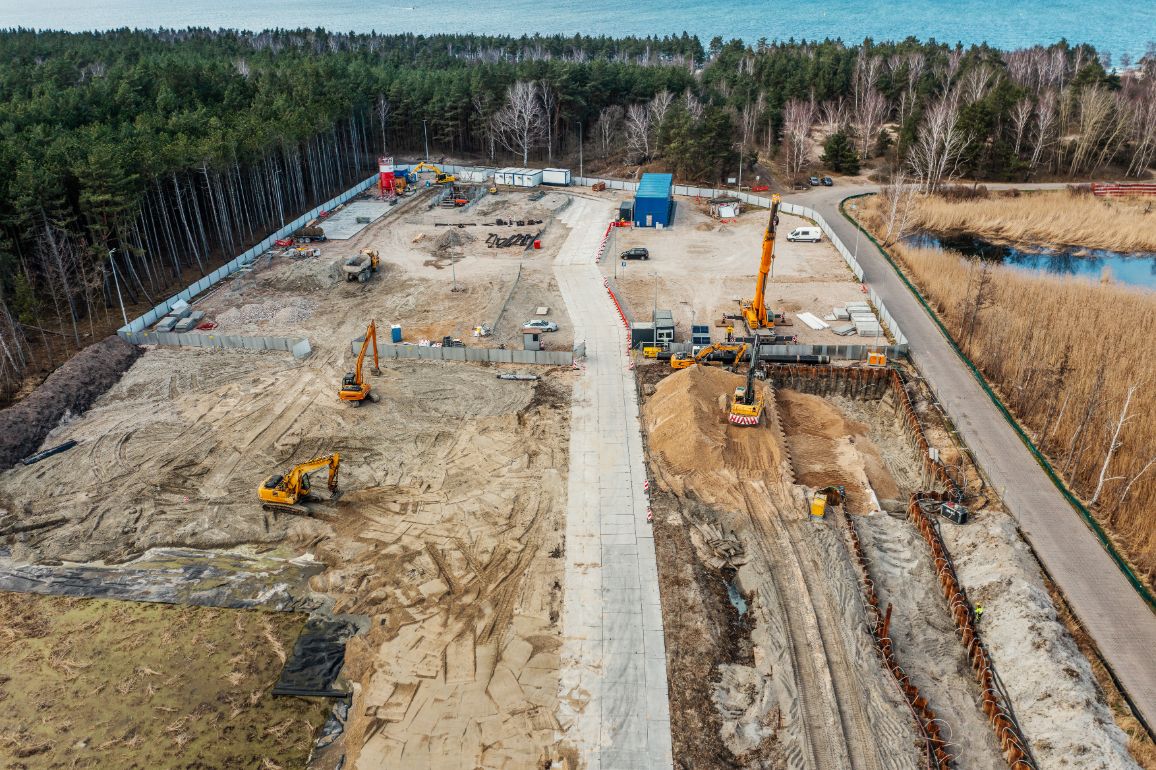
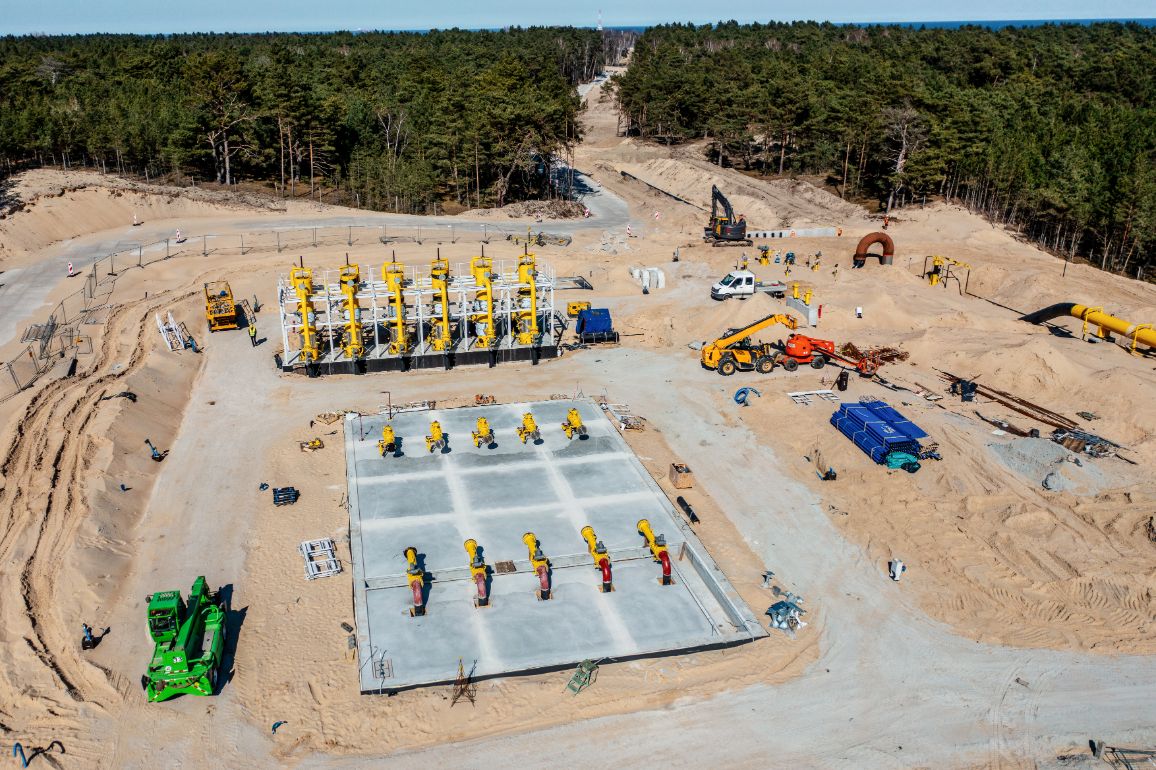
A total of four entities contracted long-term access to the FSRU 2 Terminal services. Consequently, in the Gulf of Gdańsk, a second FSRU terminal will be constructed, and thus Poland will operate three LNG terminals offering over 20 billion m³ of combined regasification capacity per year. We are consistently strengthening Poland’s position in the regional gas market, and today we have the opportunity to create one of the most important gateways to the global LNG market in Central and Eastern Europe.
Poland’s prominent position on the map of European Gas Market
Strengthening Poland’s position in Central and Eastern Europe as a regional hub for trading, storage and transmission of natural gas yields numerous benefits. Besides ensuring energy security, the most important advantage is the gradual reduction in gas prices for end users. Greater competition and better utilisation of infrastructure contribute to a sustained reduction in gas supply costs. Both households and industrial consumers will benefit from the new facility.
- This is a historic decision for Poland’s energy security. We are building the third LNG terminal in the Baltic Sea region. The new facility will significantly increase our liquefied natural gas import capacity. The FSRU 2 terminal in the Gulf of Gdańsk will become one of the pillars of energy security for Poland and Central and Eastern Europe. We are constructing the new European security architecture and strengthening our position as a regional energy hub, said Miłosz Motyka, Minister of Energy.
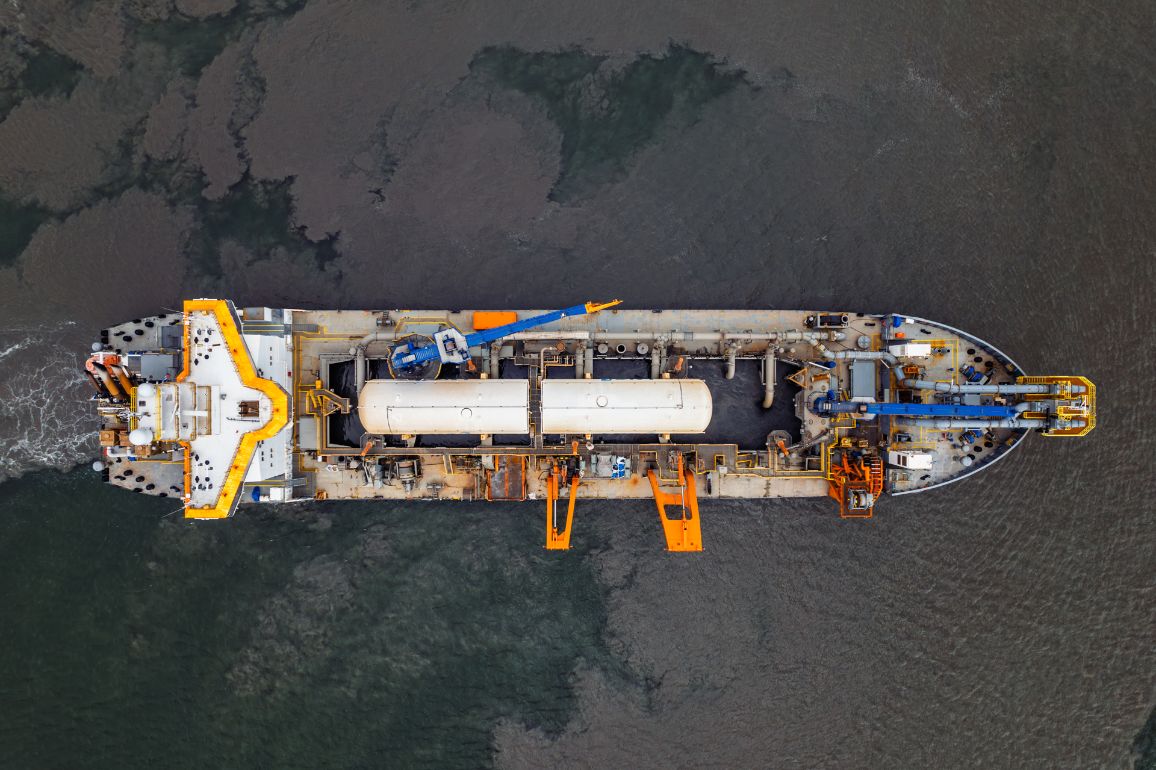
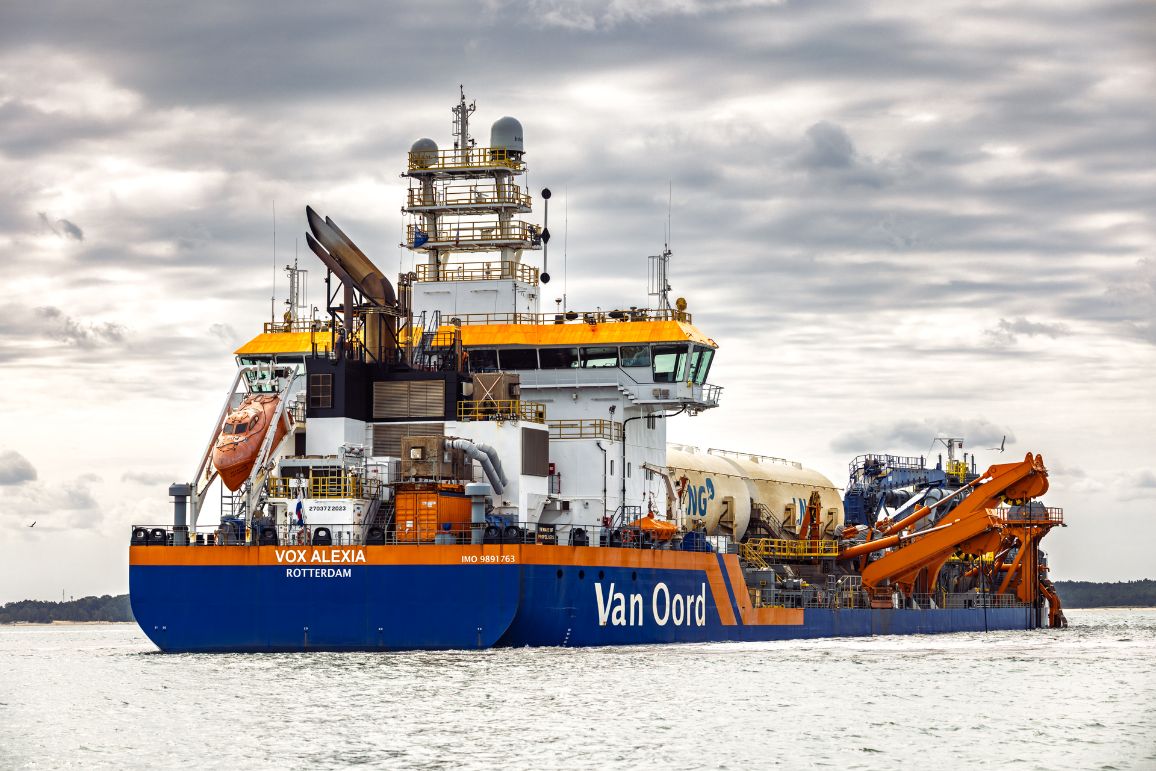
The FSRU 2 (Floating Storage and Regasification Unit) project is another milestone in the development of LNG infrastructure in Poland, following the construction of the LNG Terminal in Świnoujście and the FSRU 1 Terminal in Gdańsk, in response to ever growing expectations of market participants regarding uninterrupted and reliable supply, diversification of gas sources, and the development of a competitive and flexible gas market.- We are gradually developing energy infrastructure that will bolster Poland’s resilience and ensure robust gas supplies for decades to come. FSRU 2 is an investment project aimed at bolstering national security, boosting competitiveness of the economy and consolidating country’s position in the European energy market. The diversification of supply sources and growing import capacity of the LNG regasification infrastructure will create a unique strategic opportunity for Poland, whilst enabling us to strengthen the region’s security and lay the foundation for stable, predictable energy prices for citizens and businesses, added Wojciech Wrochna, Secretary of State at the Ministry of Energy and Government Plenipotentiary for Strategic Energy Infrastructure.
Open Season: from dialogue to decision– The outcome of the Open Season procedure sends a clear message from the market. Market participants have confirmed that they have noticed Poland’s potential for further development of commercial operations, the establishment of new supply chains and increased utilisation of LNG as a key component of the energy system. This substantiates the viability of our investment strategy and represents a further step towards building modern energy infrastructure and a competitive market for Poland and the entire region. It also marks a fundamental change for GAZ-SYSTEM, as the company will join the ranks of Europe’s leading LNG infrastructure operators, boasting one of the largest import capacities in the entire European Union. On account of the construction of two FSRU terminals and the infrastructure development projects completed to date, Poland will enjoy natural gas import capacity nearing 50 billion m³ per year. Ultimately, all these initiatives will not only contribute to strengthening the energy security of the country and the region, but will also create the conditions for the development of a competitive gas hub, fostering greater competition, more efficient use of infrastructure, and a gradual reduction in the cost of gas supply, said Sławomir Hinc, President of GAZ-SYSTEM Management Board.
Following the conclusion of the FSRU 2 Open Season procedure, GAZ SYSTEM has allocated regasification capacity to four entities. For the first time in history, more than a single entity has secured access to the LNG infrastructure managed by GAZ-SYSTEM as a result of the Open Season procedure. Furthermore, following the decision on increasing the regasification capacity of the FSRU 2 terminal, in the future the facility will still provide free slots for booking to market participants.
A total of 47 slots per year have been contracted for the period 2030–2039 and respective 35 slots for the period 2040–2044. Following the increase in the technical capacity of the FSRU 2 terminal to 58 slots, the total allocated capacity will reach 74 per cent over the entire service period.
Poland as a regional gas hub
The development of LNG infrastructure is consistent with the long-term strategy of strengthening Poland’s energy security and building a modern gas market. The combined regasification capacity of all LNG terminals in Poland will not only satisfy domestic demand but also support the development of the regional energy market and integration of Central and Eastern European gas systems.
Together with widely accessible gas transmission infrastructure, including cross-border interconnections with Denmark, Germany, the Czech Republic, Slovakia and Lithuania, Poland’s annual gas import capacity is expected to reach almost 50 billion m³ in 2030. It is through this potential that our country is becoming a key gas hub in the region.
Increased natural gas and LNG import capacity translates directly into greater competition amongst suppliers. All that is conducive to the stabilisation of gas prices and alignment with the levels recorded in the most developed European markets. Last but not least, better utilisation of available infrastructure will contribute to lowering unit costs of transmission and LNG regasification services.