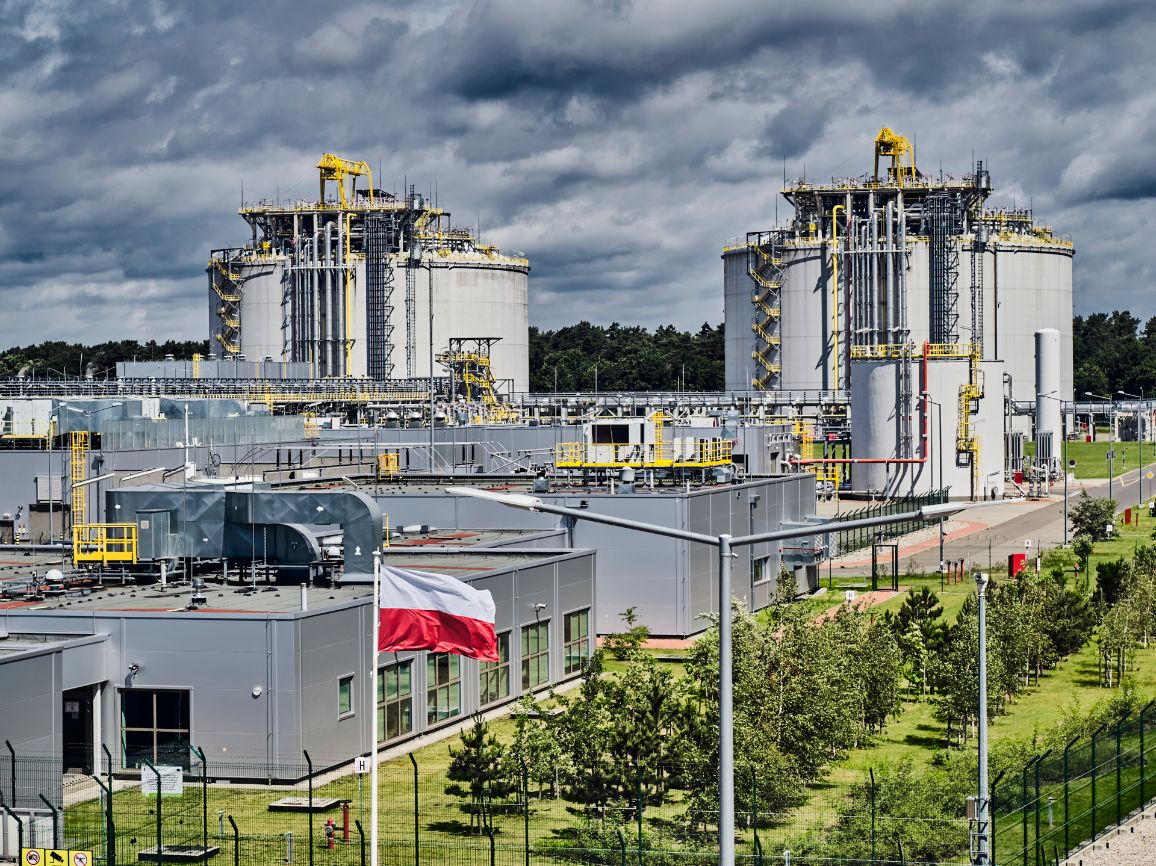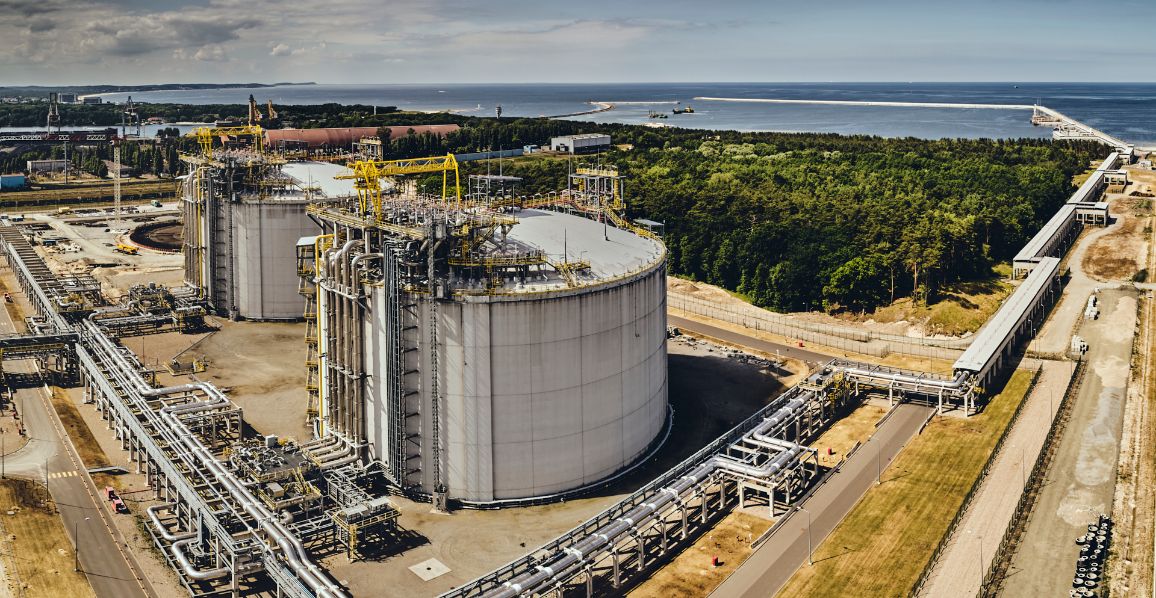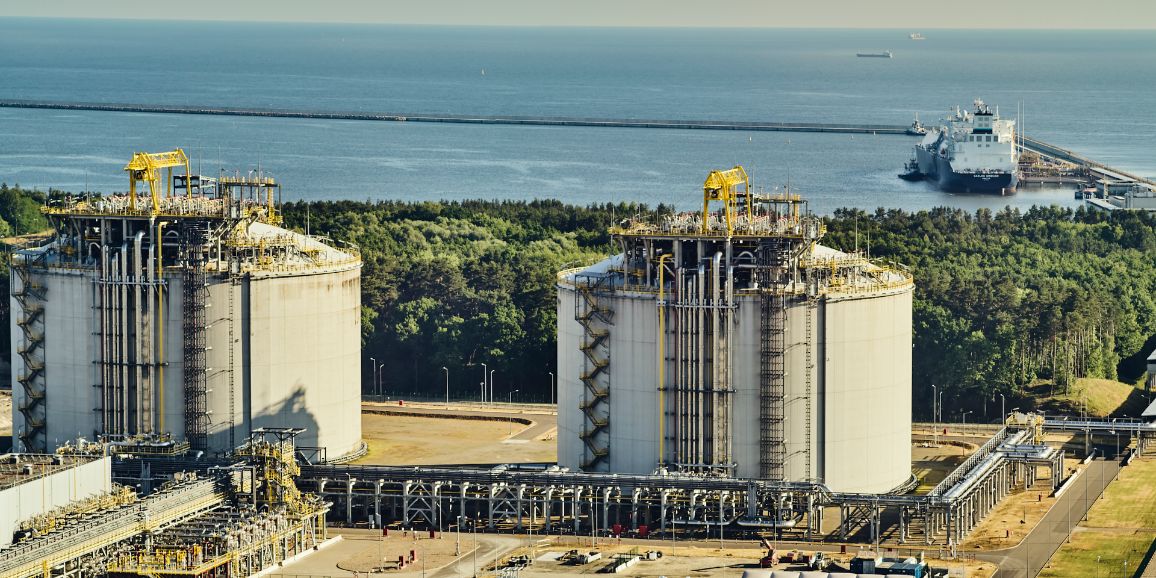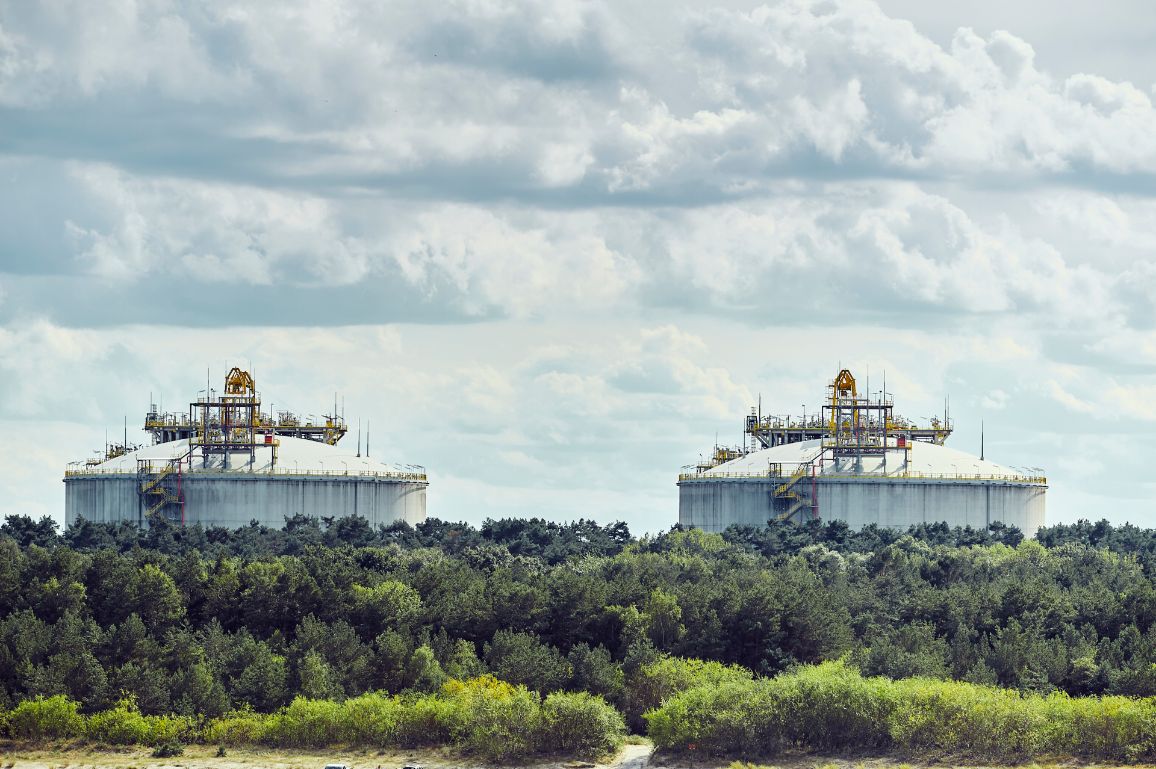

10th Anniversary of the First Commercial Delivery of LNG to the Terminal in Świnoujście
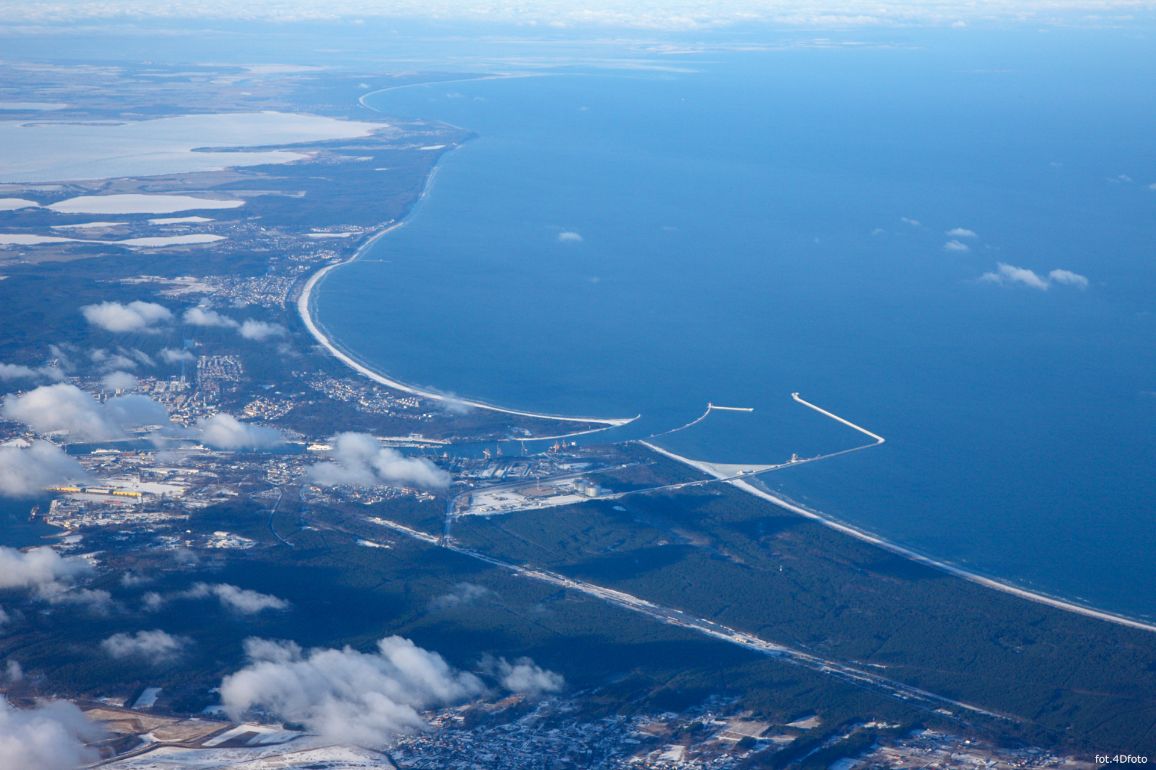
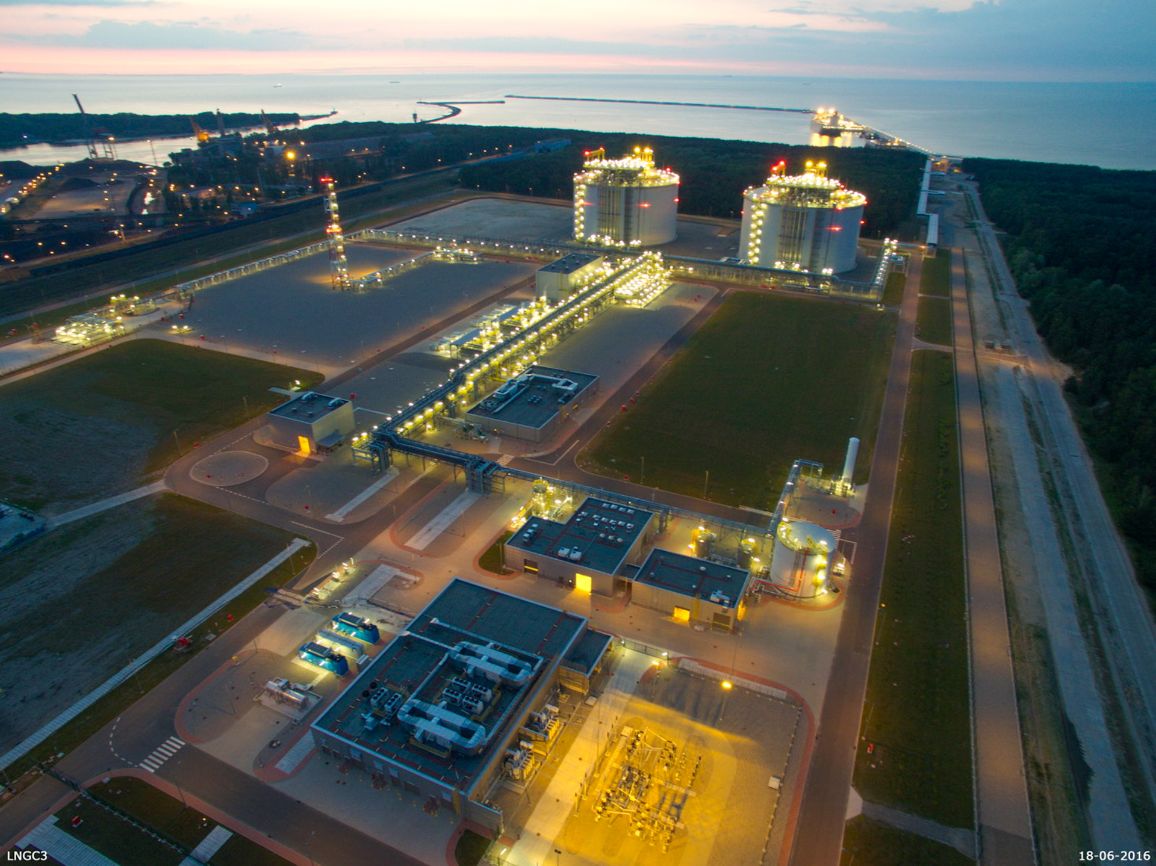
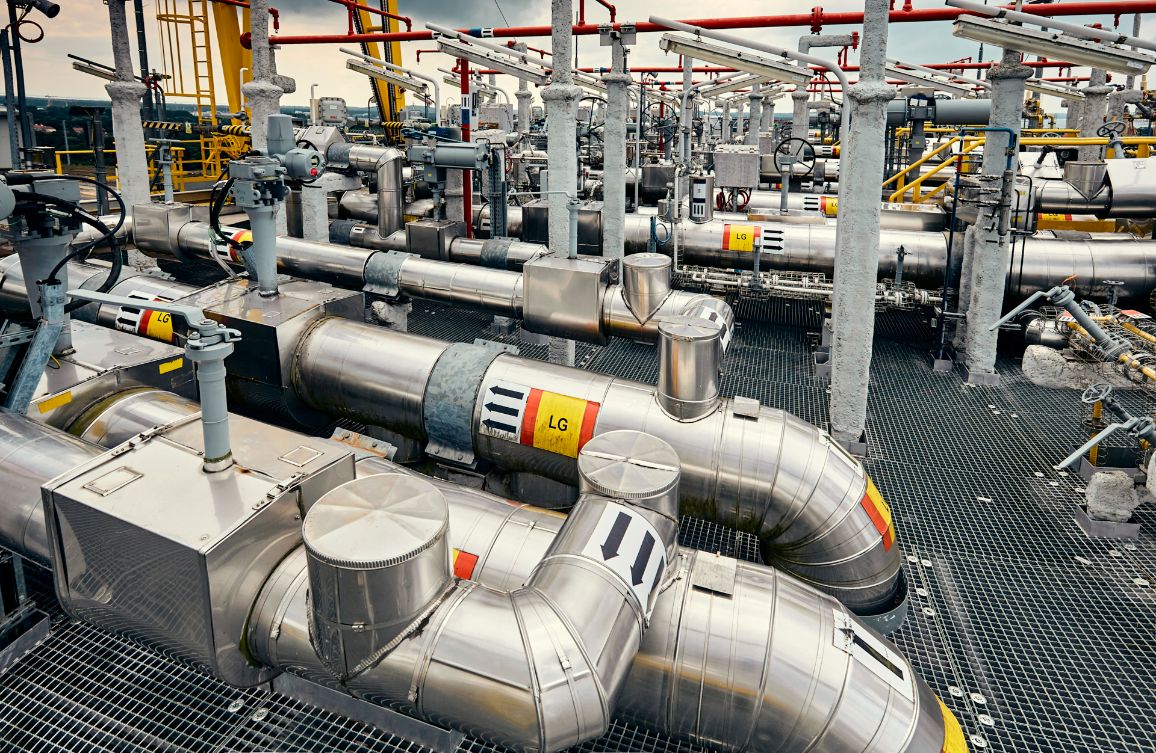
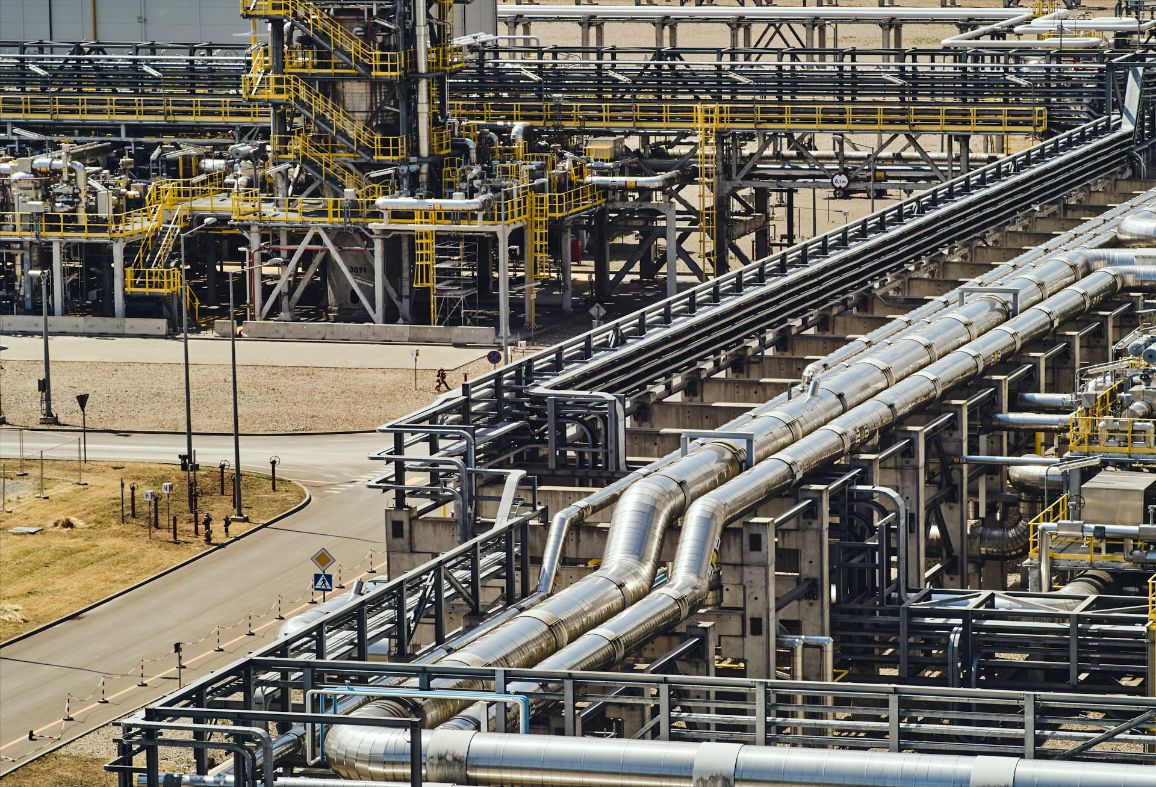
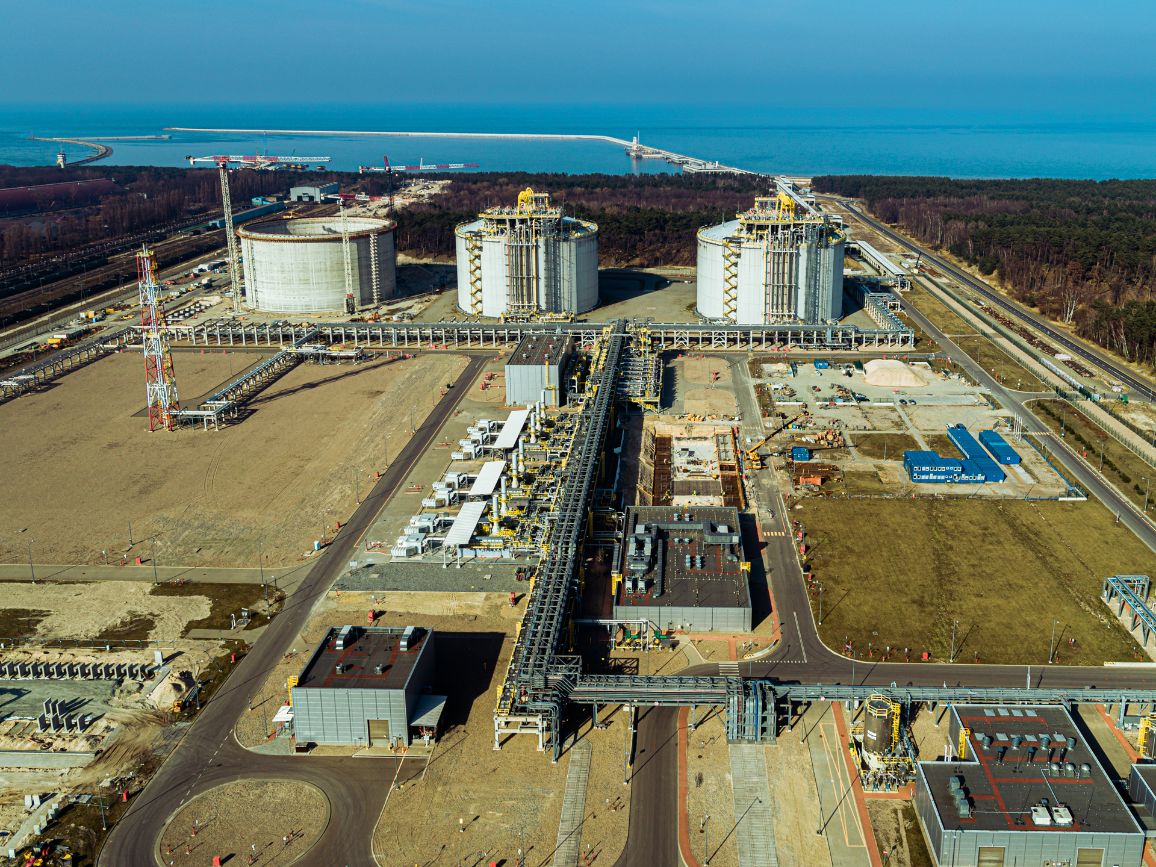
Over the past decade, the LNG Terminal in Świnoujście - an important constituent of GAZ SYSTEM’s infrastructure - has handled 445 cargoes of liquefied natural gas, unloaded nearly 80 million m³ of LNG transported by sea, whilst maintaining operational availability rate at above 99 per cent. Today, it is one of the most important entry points for gas into the national transmission system and a key component of the region’s energy infrastructure.
- The LNG Terminal in Świnoujście is one of the key pillars of Poland’s energy security; today, it operates based on fully diversified supply routes and features growing technical capacity for flexible management of gas flows. Owing to the LNG Terminal, Poland has significantly increased its market leverage – from a passive recipient to an actor effectively managing fuel supplies. We are consistently strengthening this potential through further investment decisions that increase the capacity and enable the continued scaling up of LNG imports. As a result, we have enhanced Poland’s position as a regional gas hub and a contributor to the new energy market architecture development in Central and Eastern Europe, noted Miłosz Motyka, Minister of Energy.
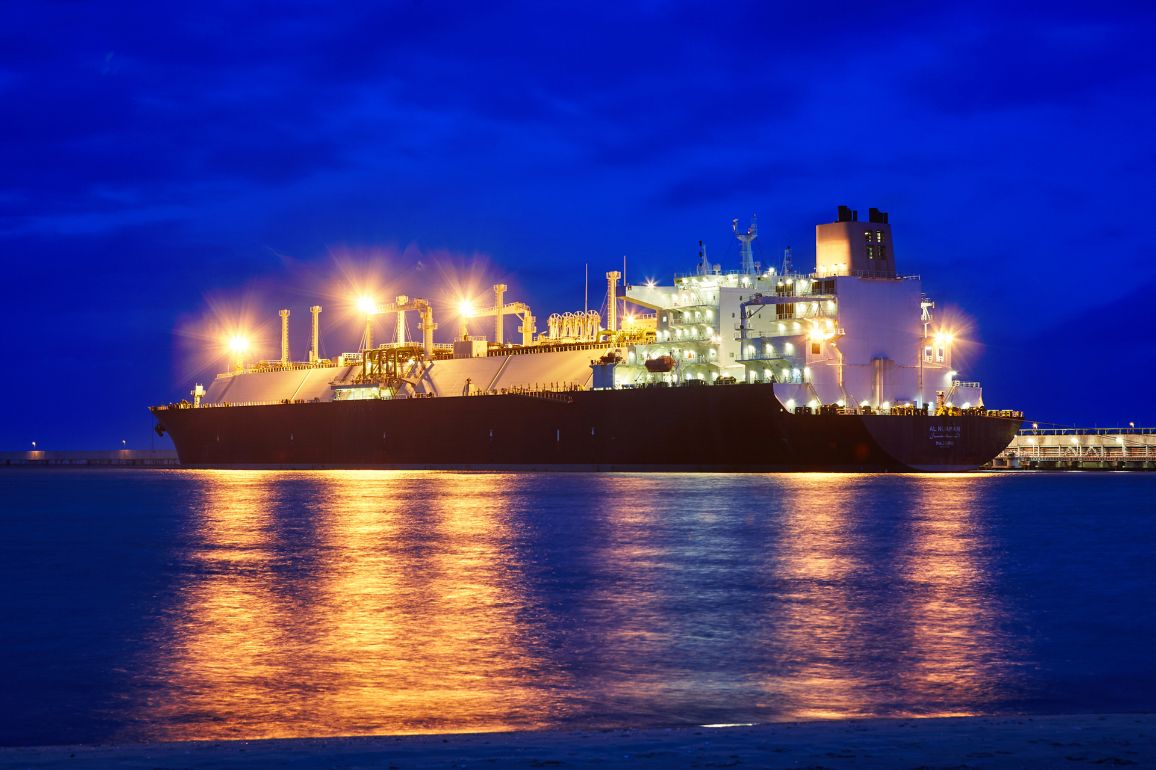
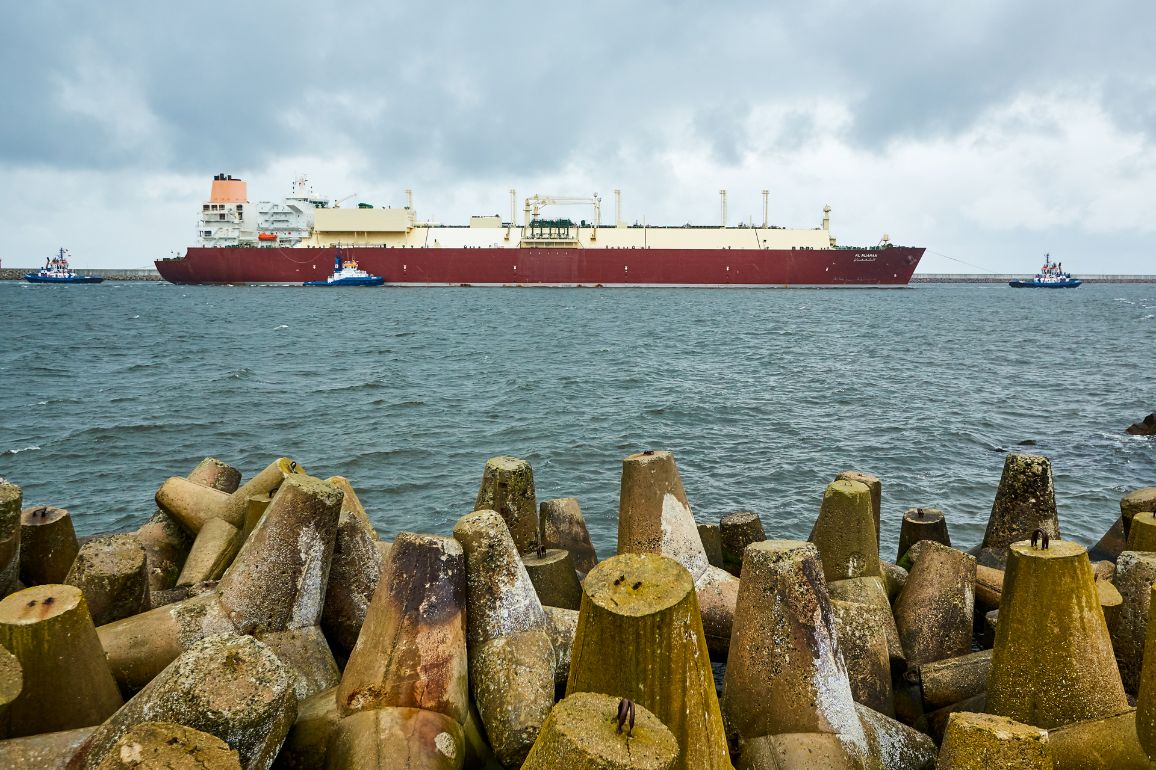
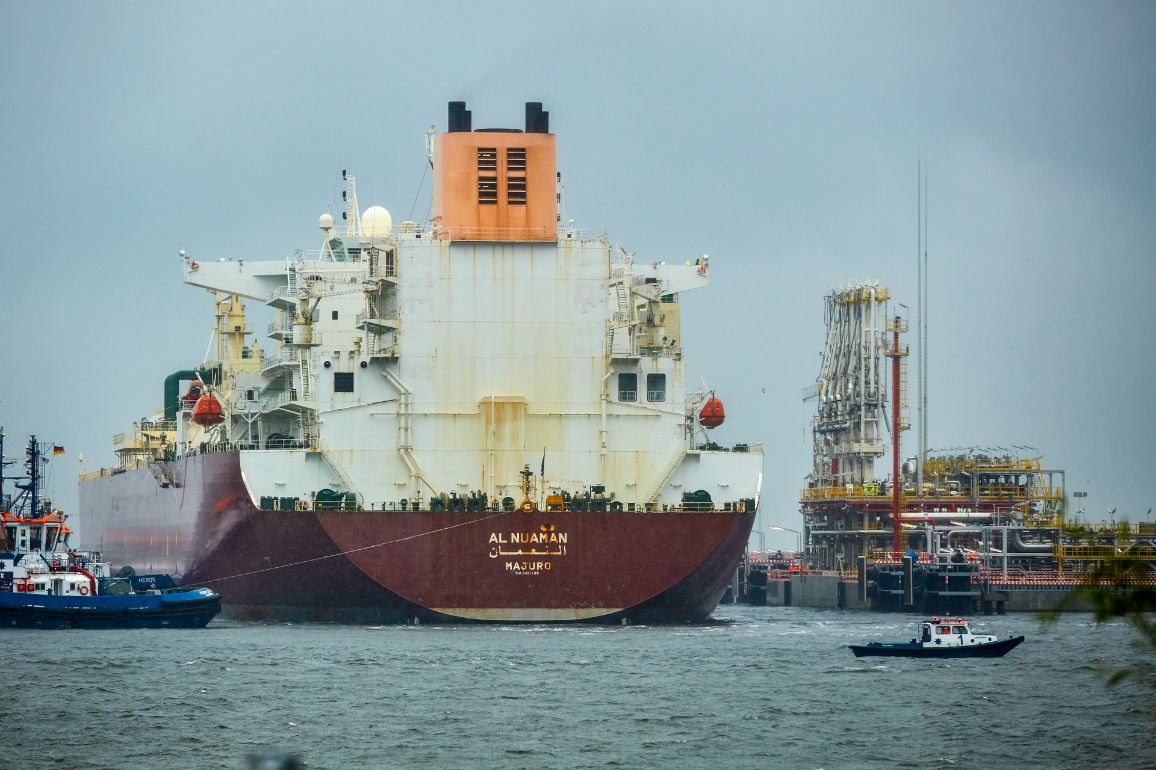
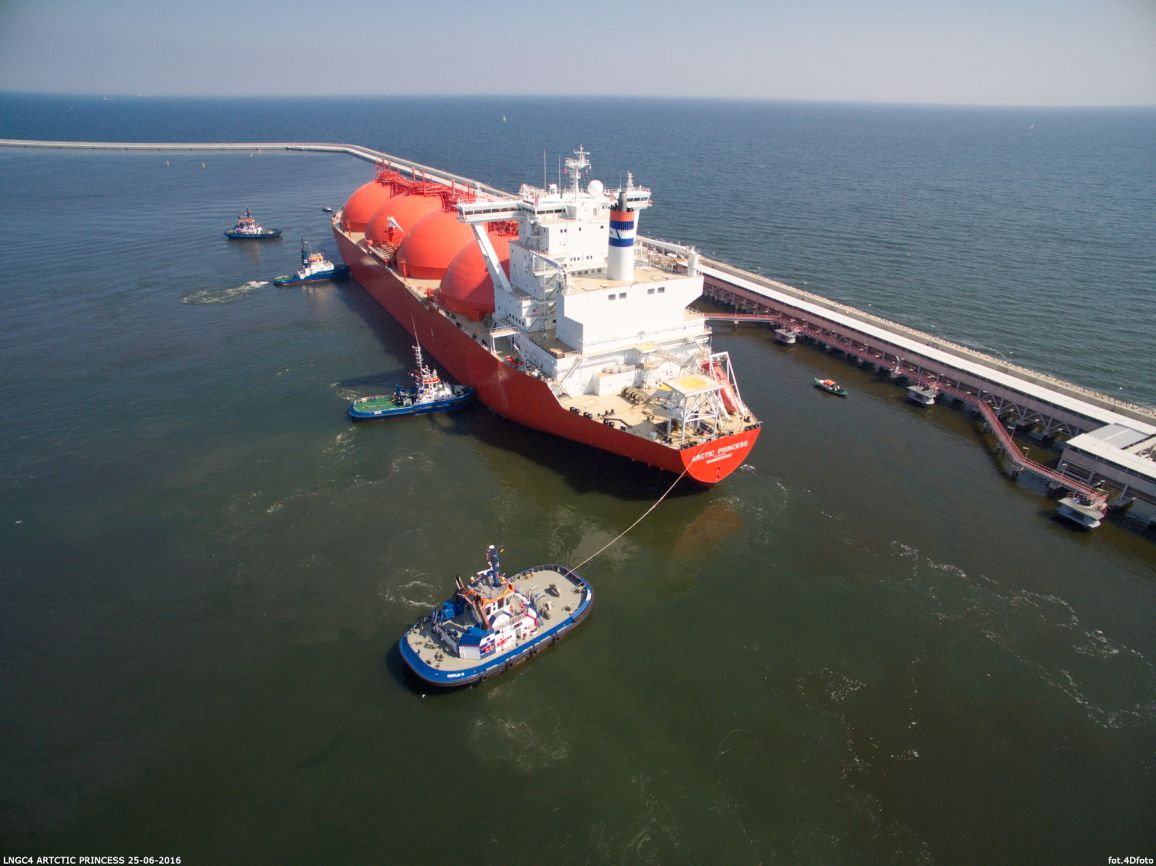
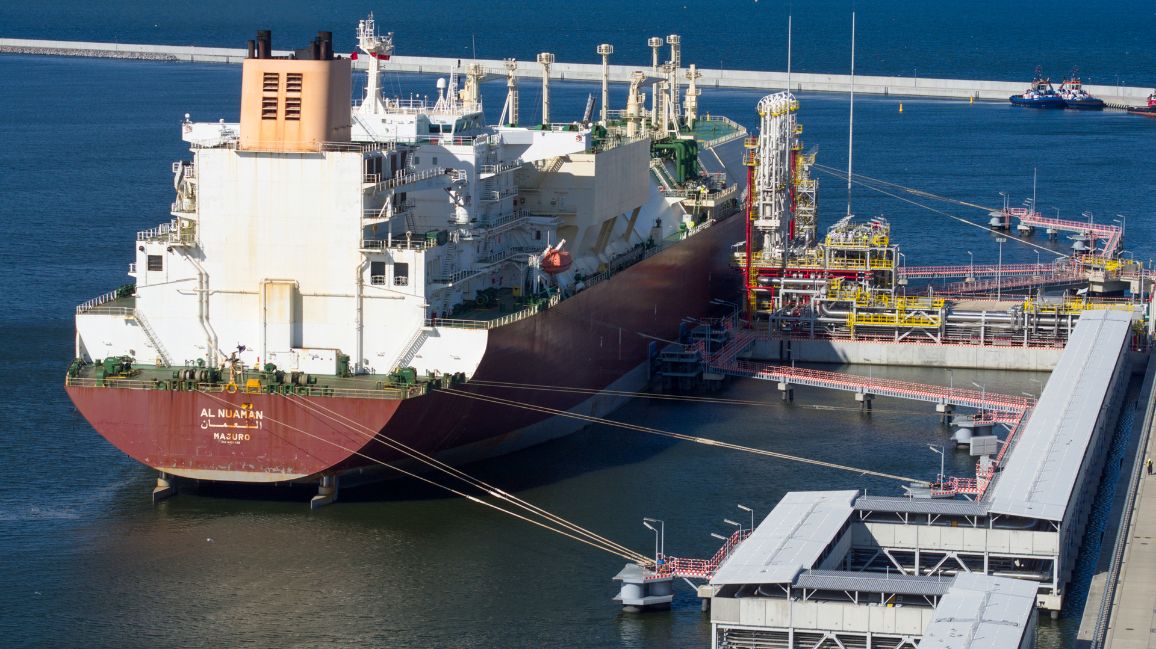
Since 2016, as many as 445 LNG carriers with gas cargoes originating from various parts of the world have called at the terminal. In 2025 alone, the terminal handled a record 81 LNG deliveries, and a further 37 cargoes have already been unloaded in 2026. The facility has been operating continuously for over 87,000 hours, maintaining operational availability rate at above 99 per cent. Continuity of operations was ensured without affecting the security of gas supplies to customers throughout all stages of the facility’s expansion process.- Ten years ago, few could have predicted just how much the European energy market situation would change. However, the launch of the LNG Terminal in Świnoujście was an investment based on strategic thinking about the future. Consequently, Poland was better prepared for the challenges that occurred in the years that followed. Today, the LNG Terminal stands as a symbol of the effectiveness in strengthening the state’s resilience and a tangible proof that consistent development of infrastructure projects yields benefits for generations, said Wojciech Wrochna, Secretary of State at the Ministry of Energy and Government Plenipotentiary for Strategic Energy Infrastructure.
The significance of the LNG terminal now extends beyond Poland’s energy security. Alongside the expansion of the domestic transmission network, the launch of the Baltic Pipe and the integration of regional gas networks, the facility in Świnoujście supports the development of the regional gas market and increases cross-border gas transmission capacity. The implementation of a single balancing area for high-methane natural gas and new terms and conditions for using the transmission system provide further momentum for the development of gas trade in Central and Eastern Europe.- Ten years ago, we opened up new opportunities for the Polish gas market. Today, the LNG terminal forms part of a modern infrastructure system that ensures security of supply, supports the development of a competitive market and bolsters Poland’s position in the region. Owing to the expansion of domestic and transit infrastructure, as well as the construction of interconnectors, Poland has the potential to serve as a principal gas hub for Central and Eastern Europe. This demonstrates how strategic investment projects, consistently implemented over the years, bring tangible benefits for the economy and consumers, says Sławomir Hinc, President of the Management Board of GAZ-SYSTEM.
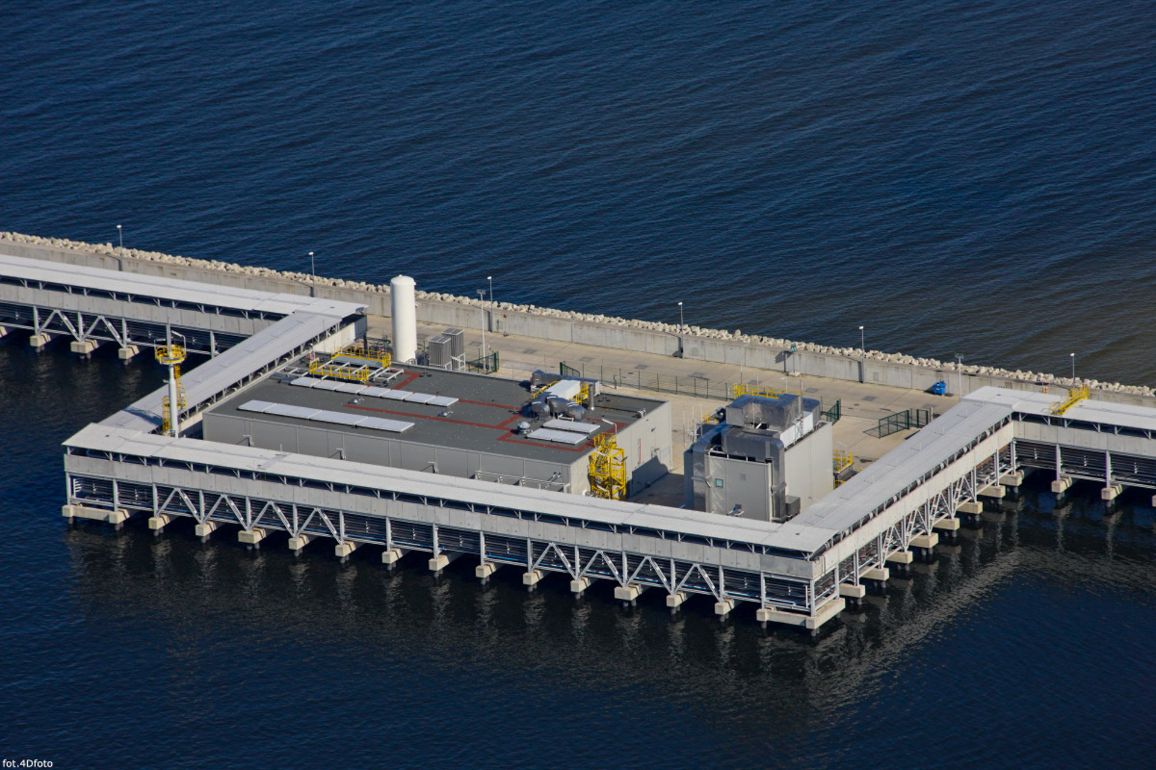
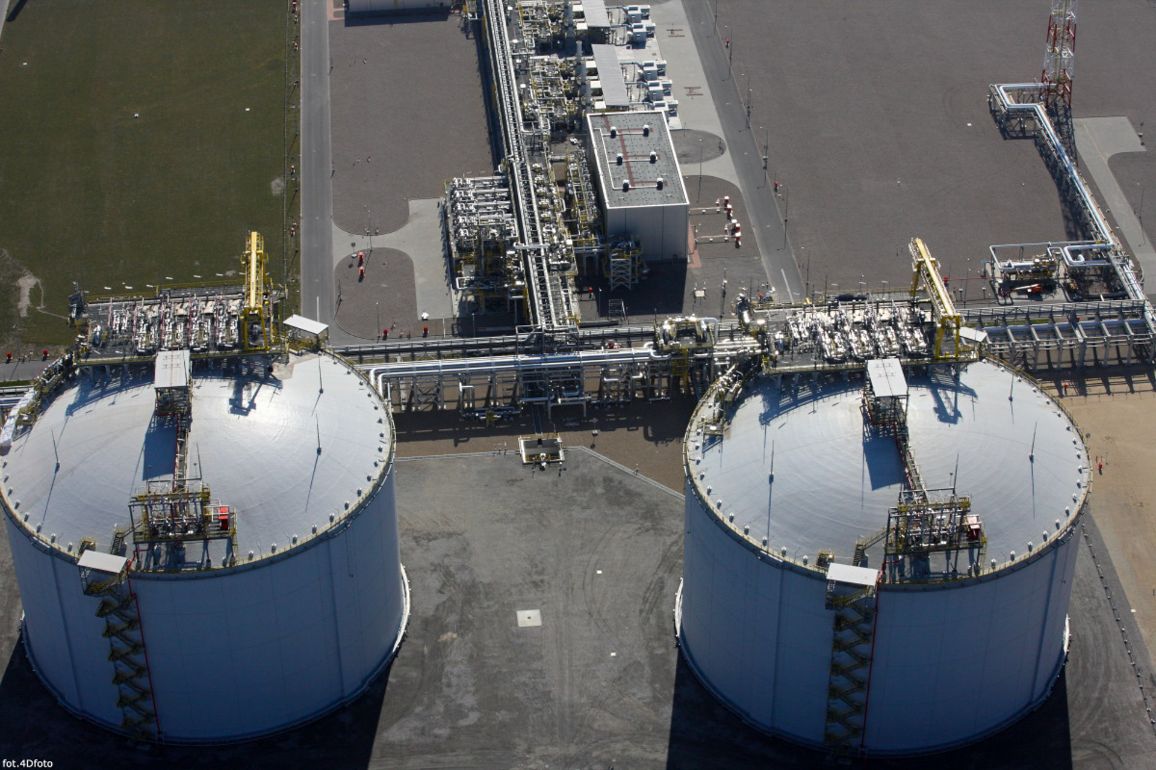
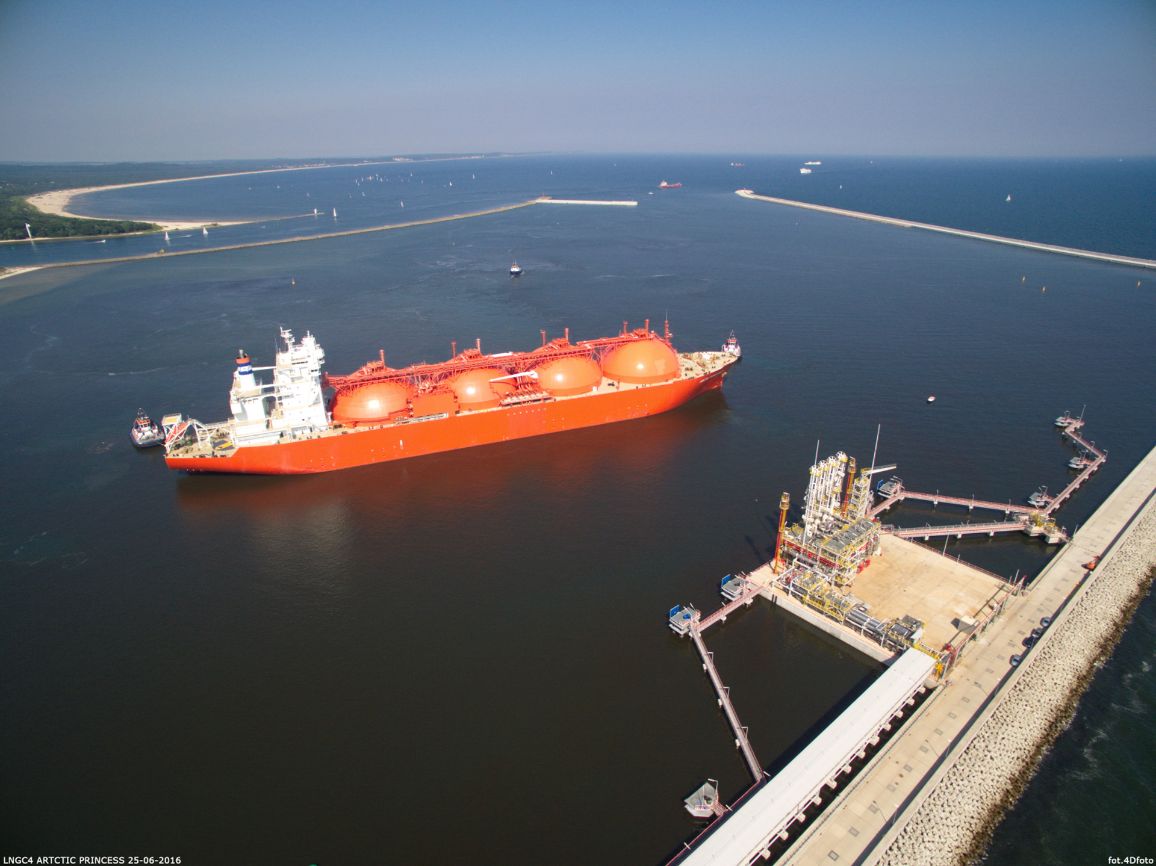
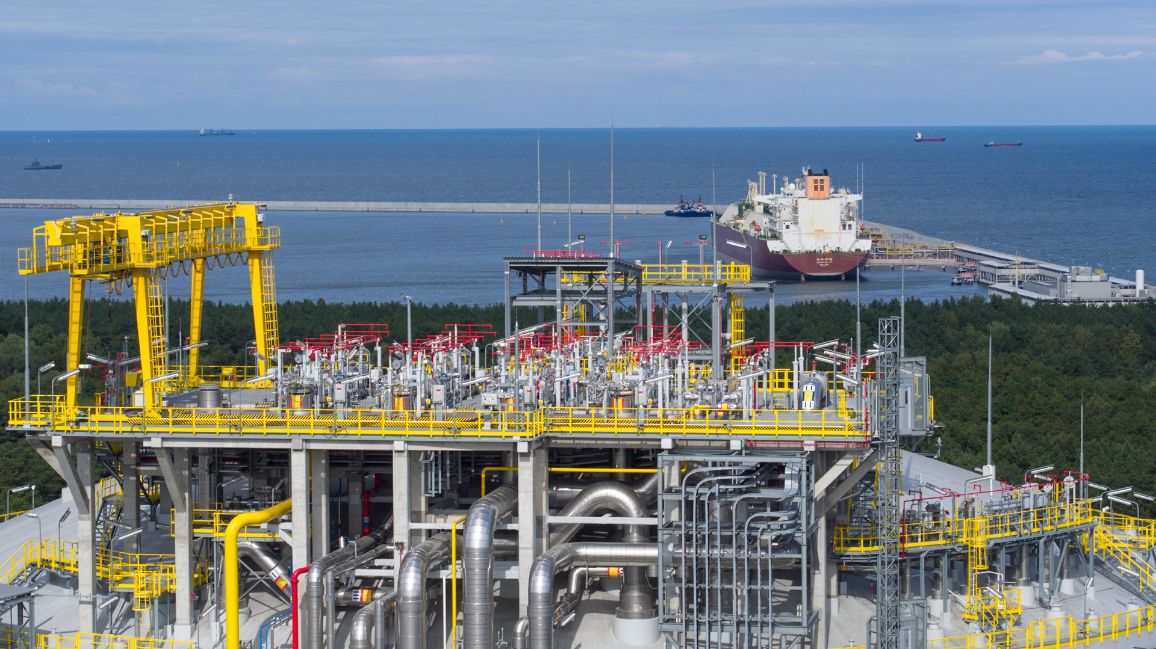
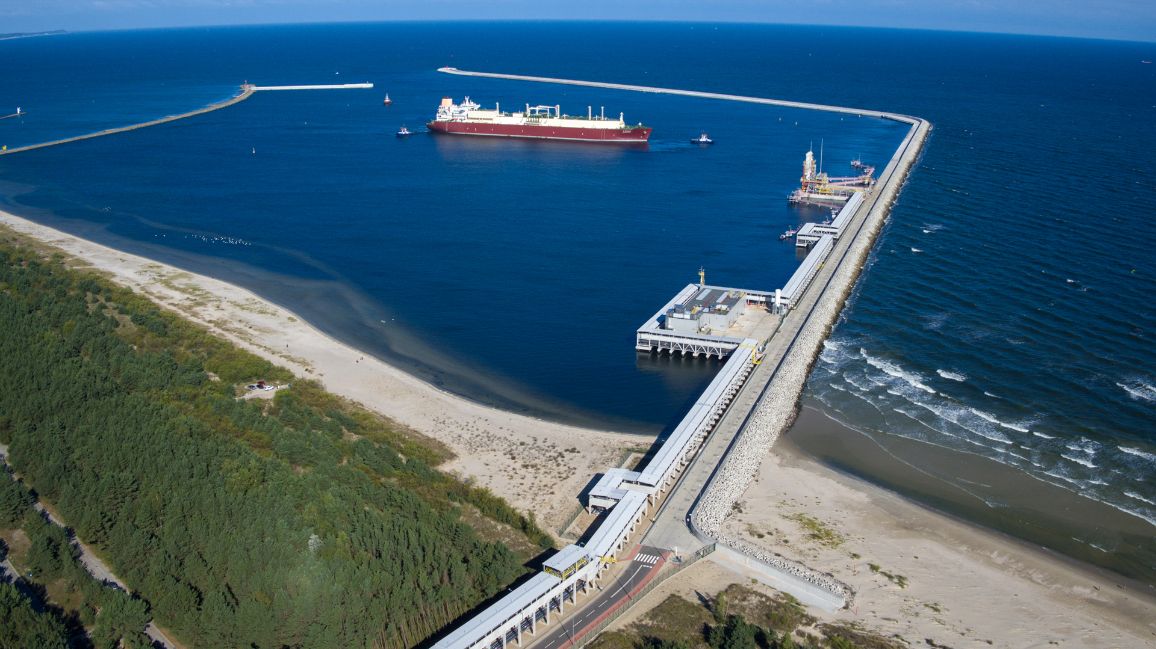
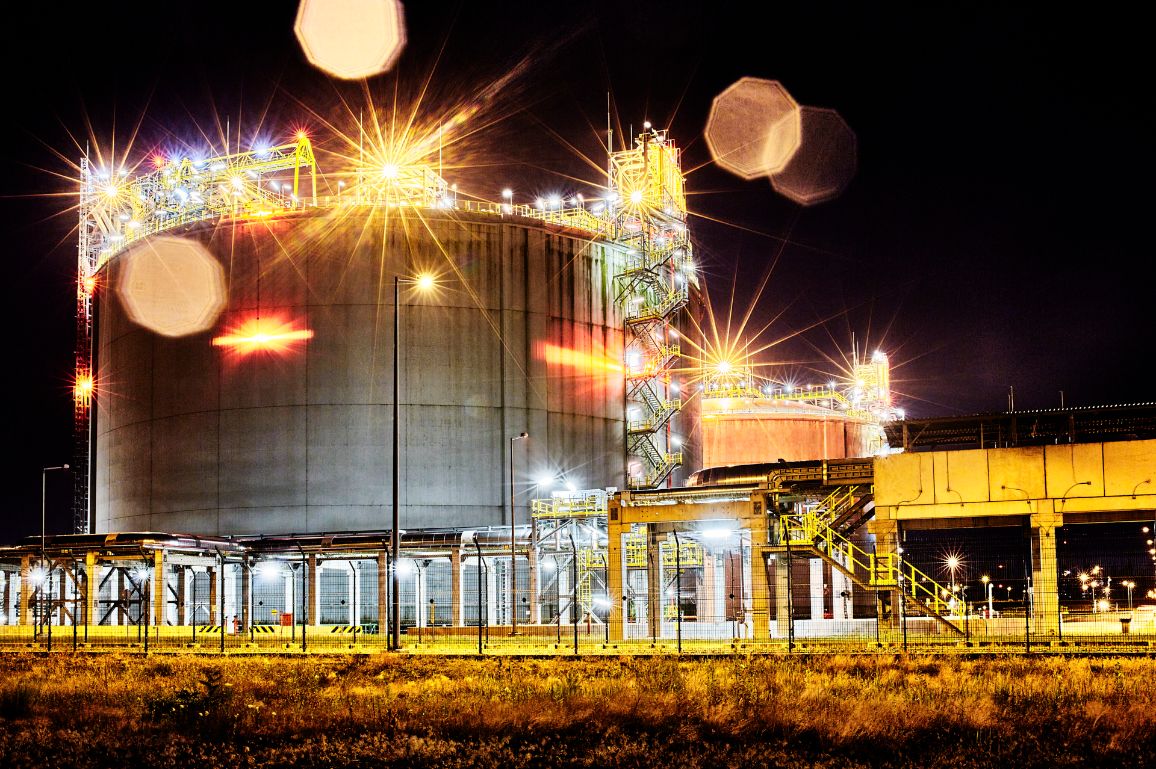
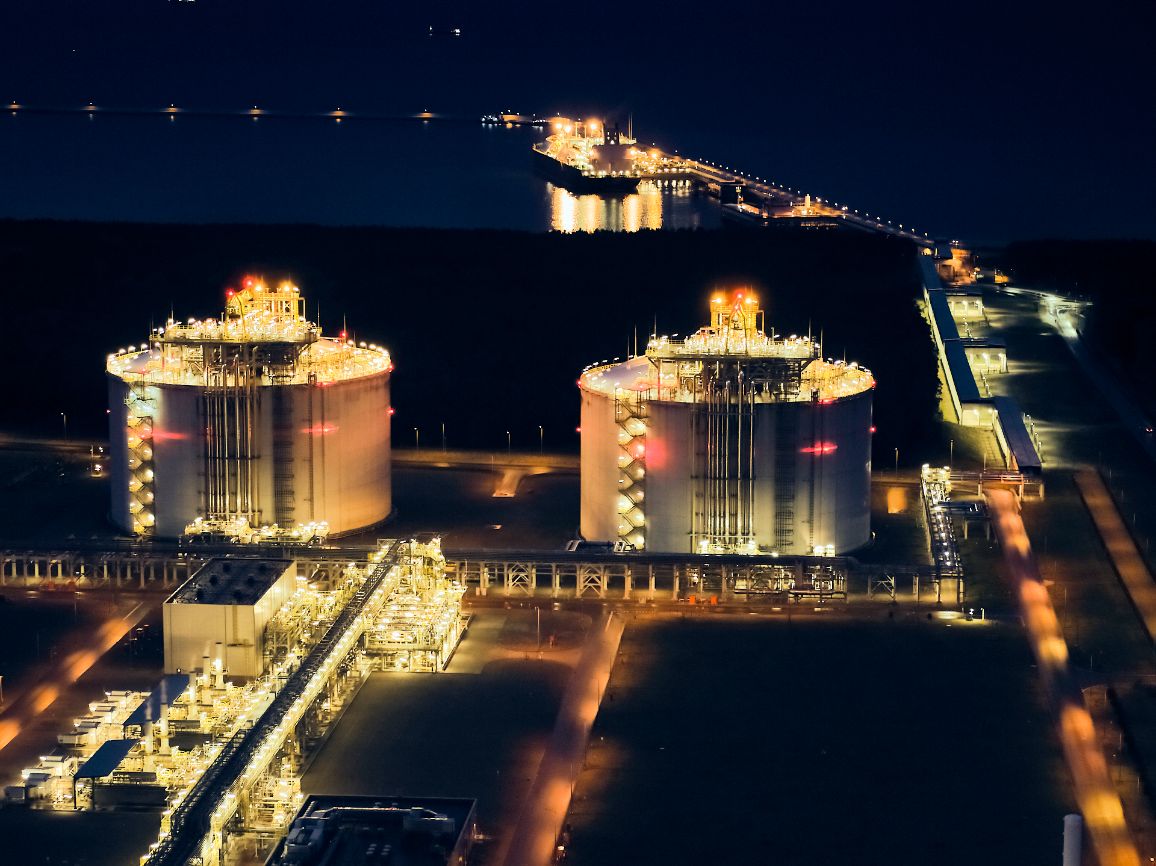
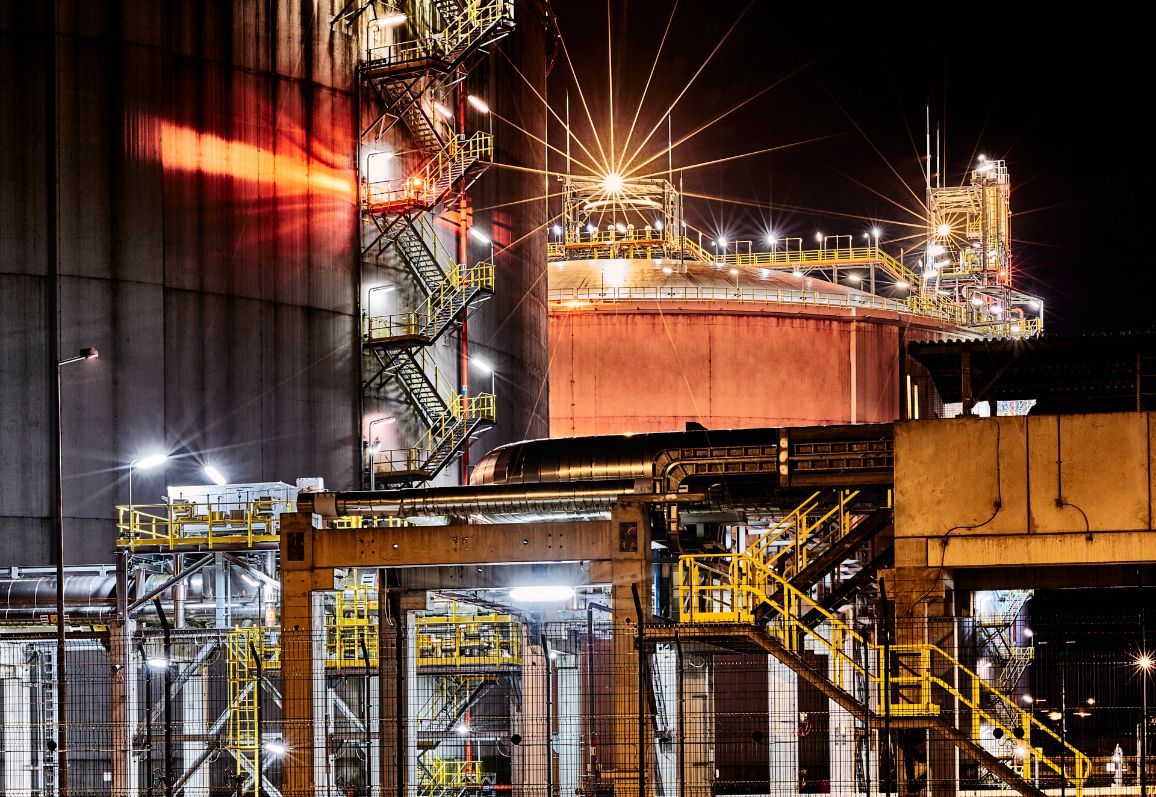
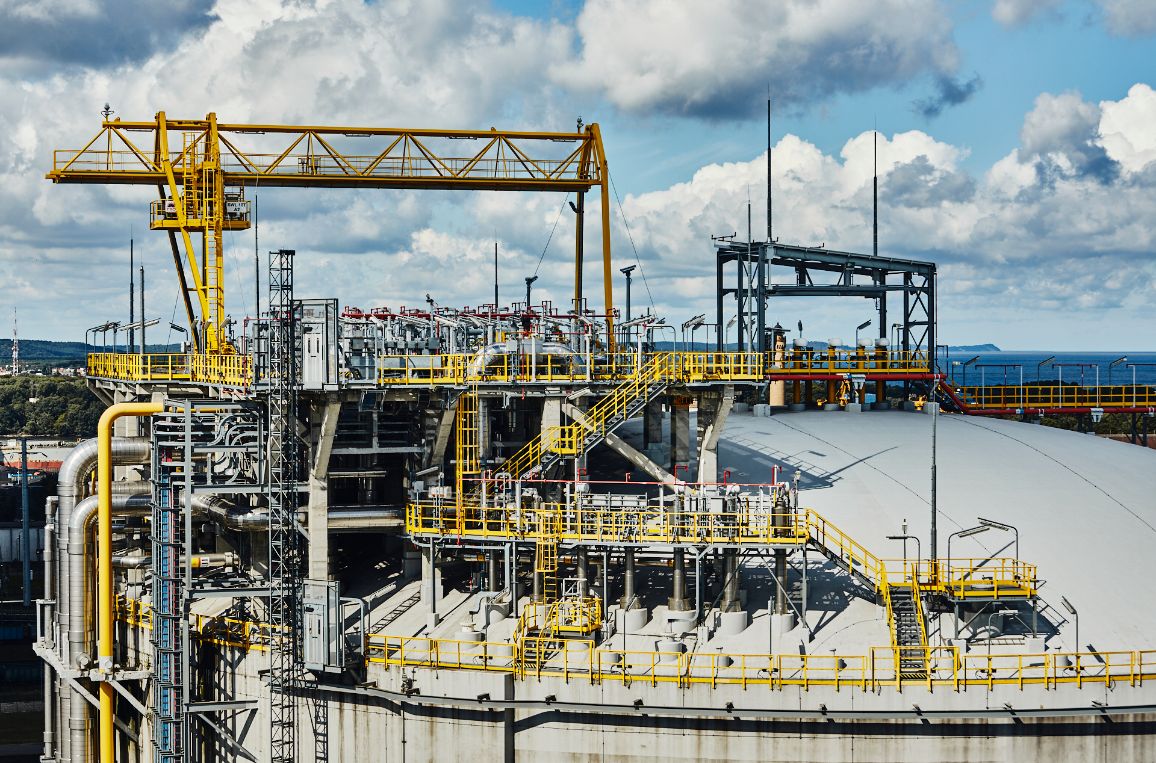
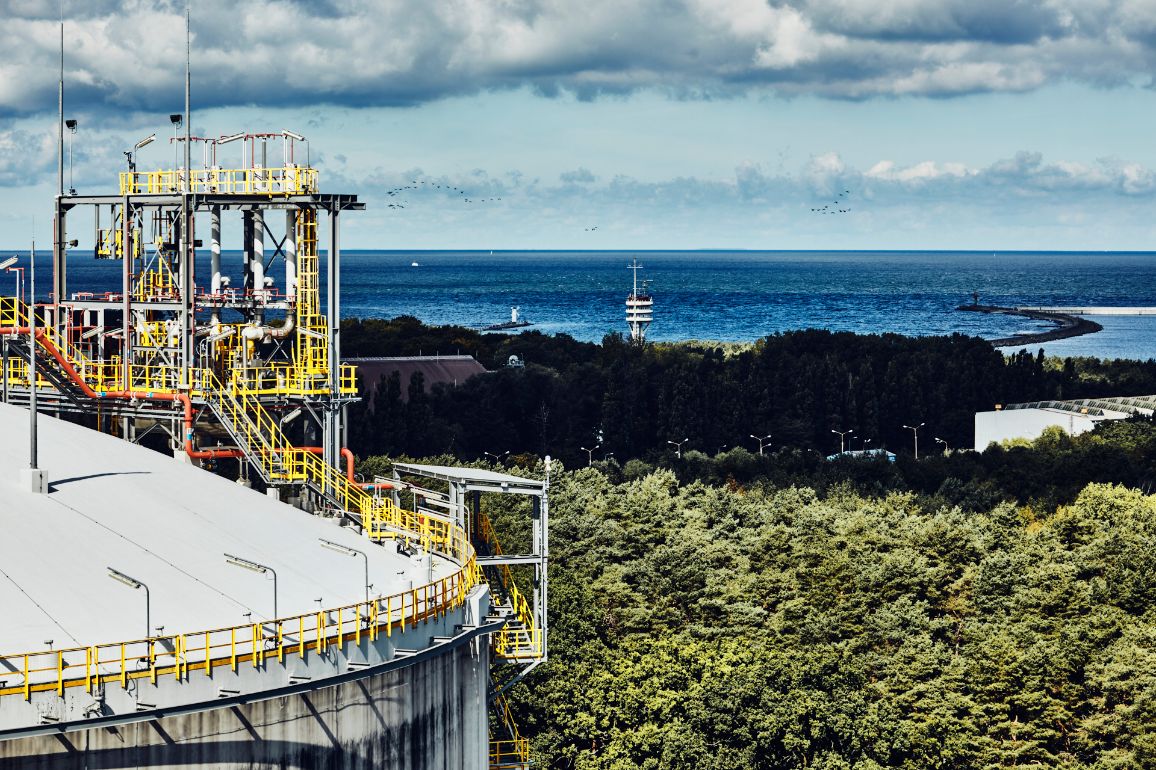
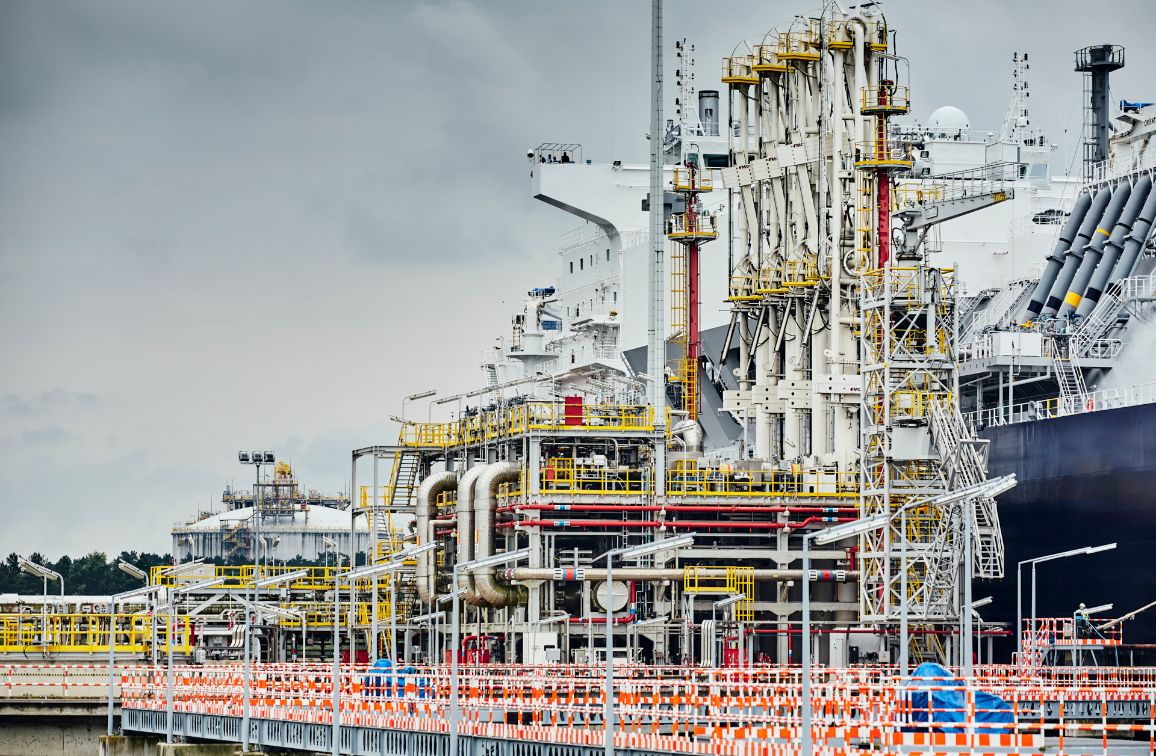
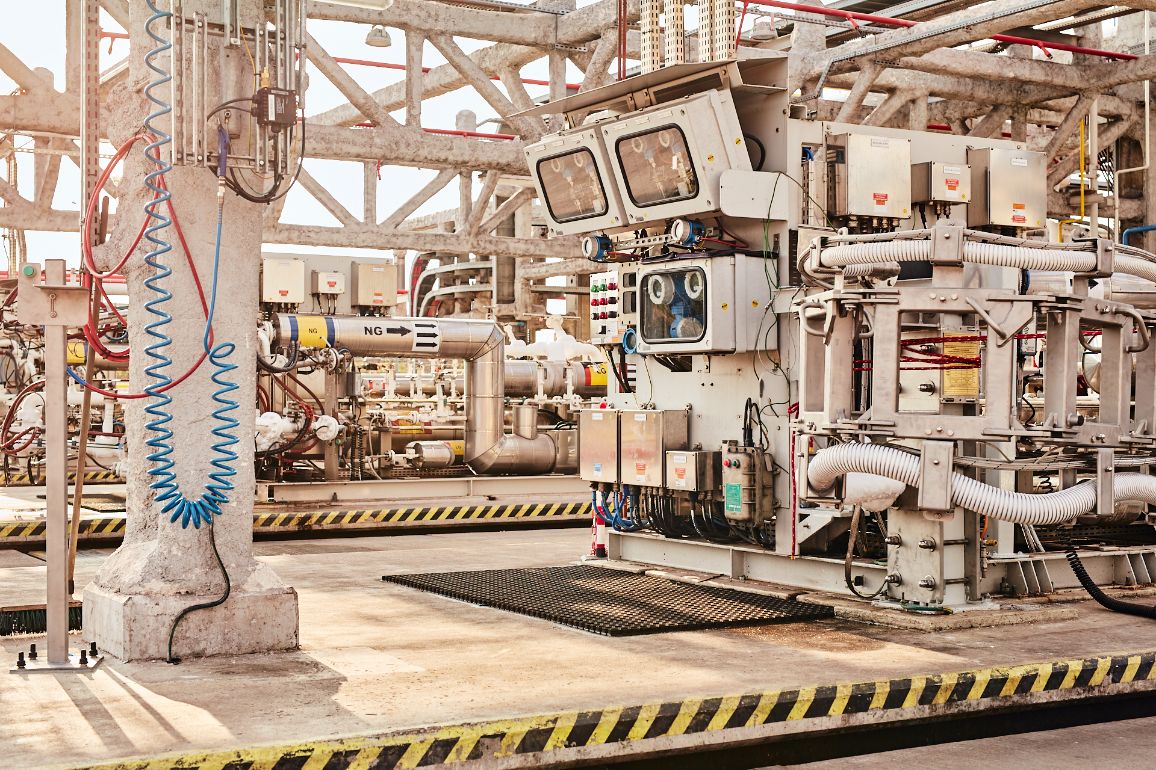
Over the course of ten years of operation, the LNG Terminal has undergone significant expansion. New developments include the third LNG tank and the second jetty enabling further increase of the facility’s regasification capacity. The expanded infrastructure has enabled the launch of new services, such as LNG loading, LNG transhipment, and bunkering of vessels using LNG as fuel.
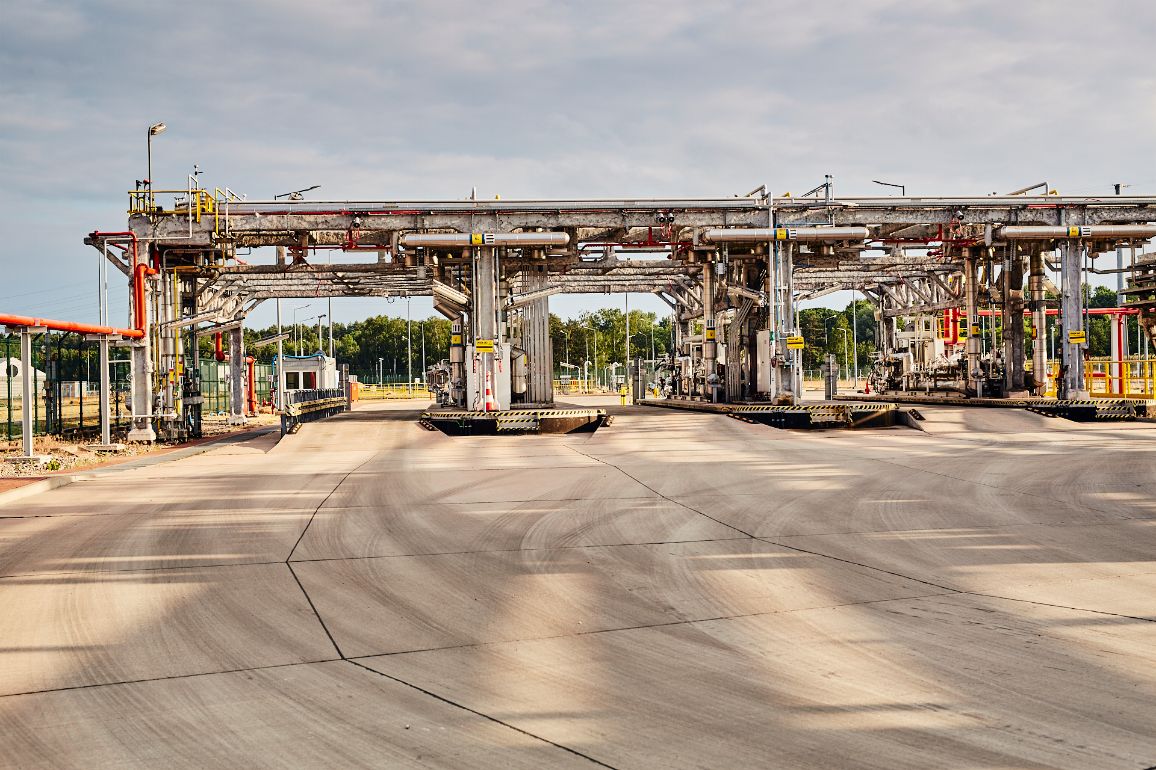
A particularly rapid increase has been observed in small-scale LNG segment. The number of tanker trucks loaded at the terminal has grown almost twentyfold over the past decade – from around 500 in 2016 to nearly 11,000 in 2025. In total, the LNG Terminal has already handled over 56,000 LNG tanker trucks. A fourth truck loading bay is set to be commissioned later this year, with a view to increasing transshipment capacity by 50 per cent – from 40 to 60 tanker trucks per day.
Ten years after the receipt of the first commercial LNG cargo, the Terminal in Świnoujście remains one of GAZ-SYSTEM’s most important infrastructure assets. Its further development will not only support Poland’s energy security but also enhance the importance of the national transmission system in the markets of Central and Eastern European region.