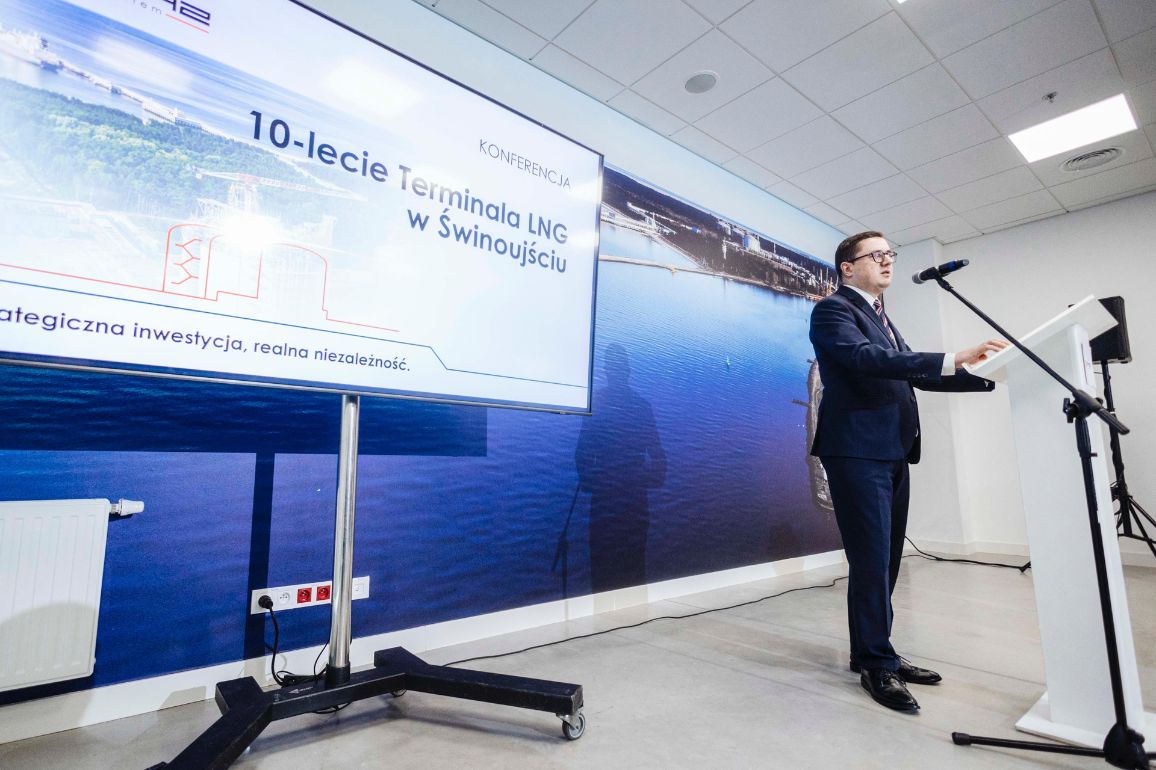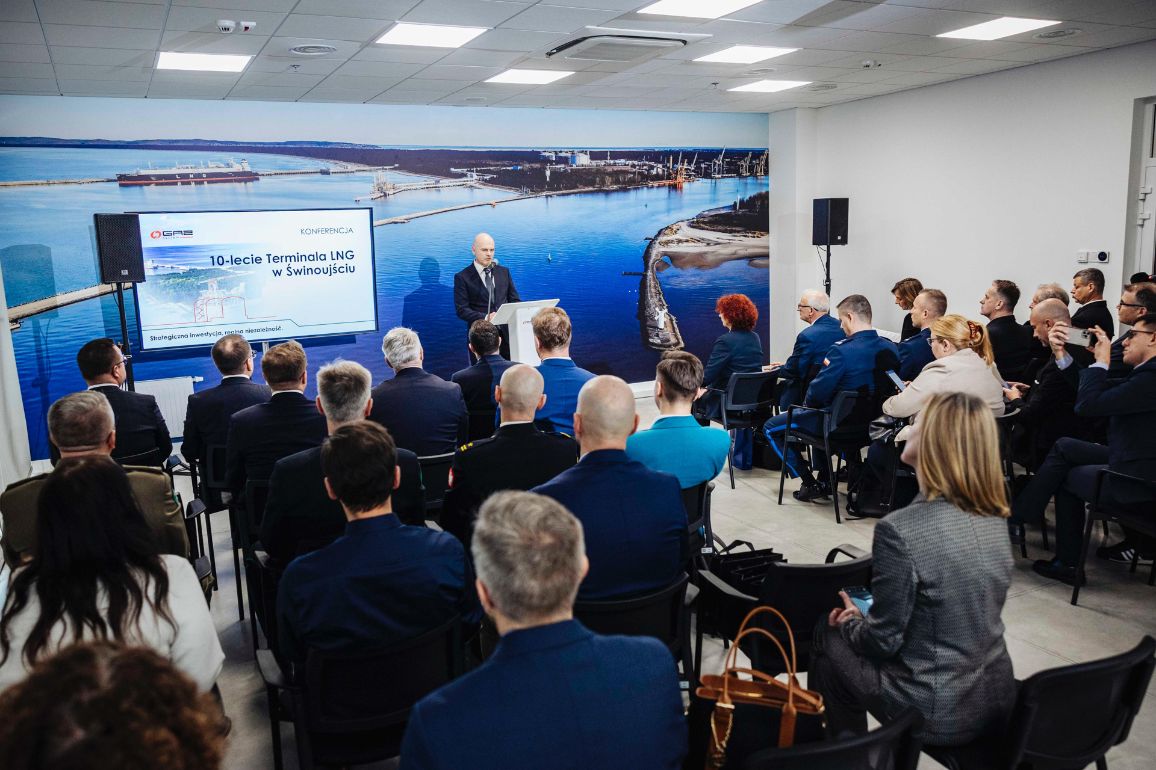

Strategic project for real independence – 10 years of the LNG Terminal in Świnoujście
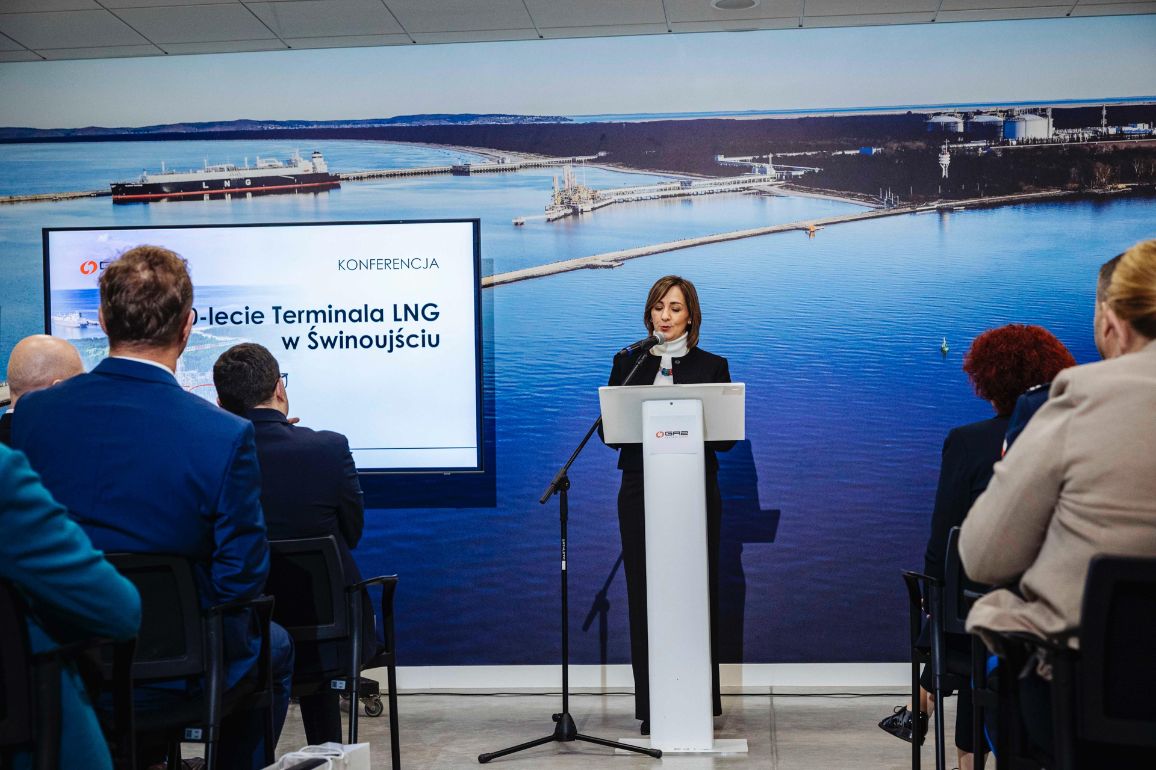
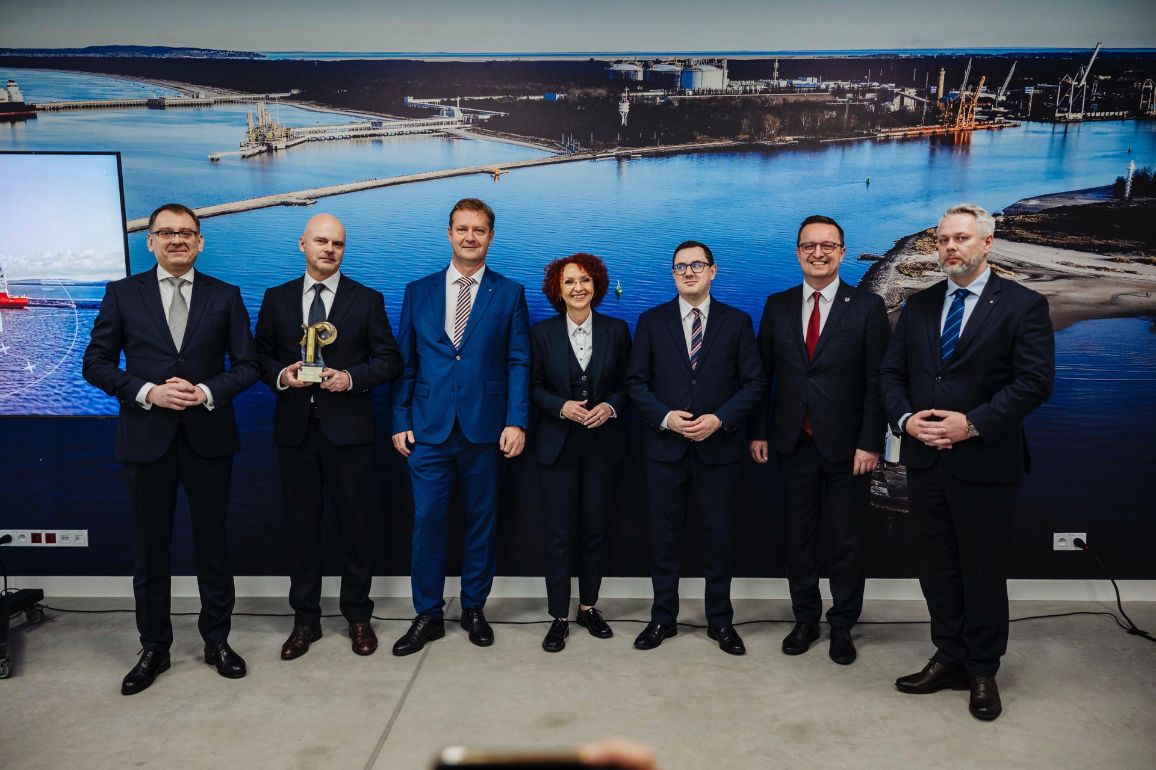
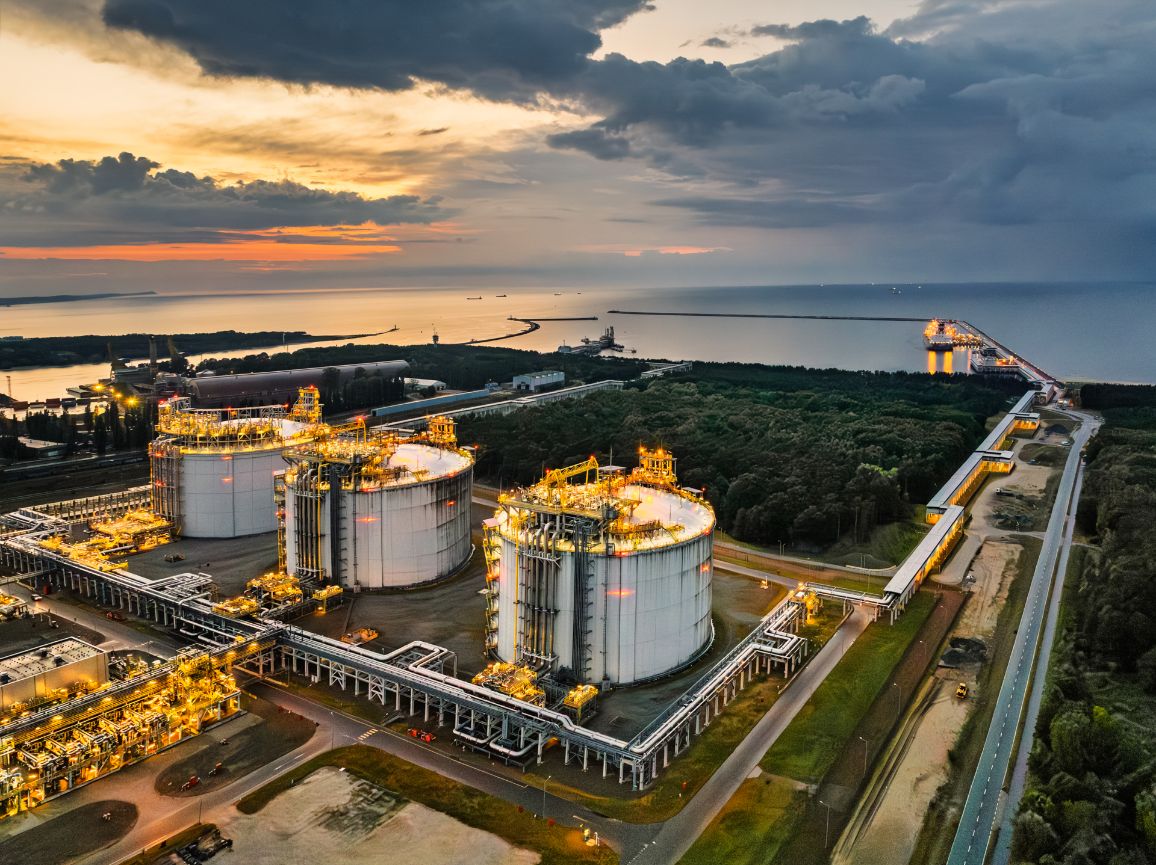
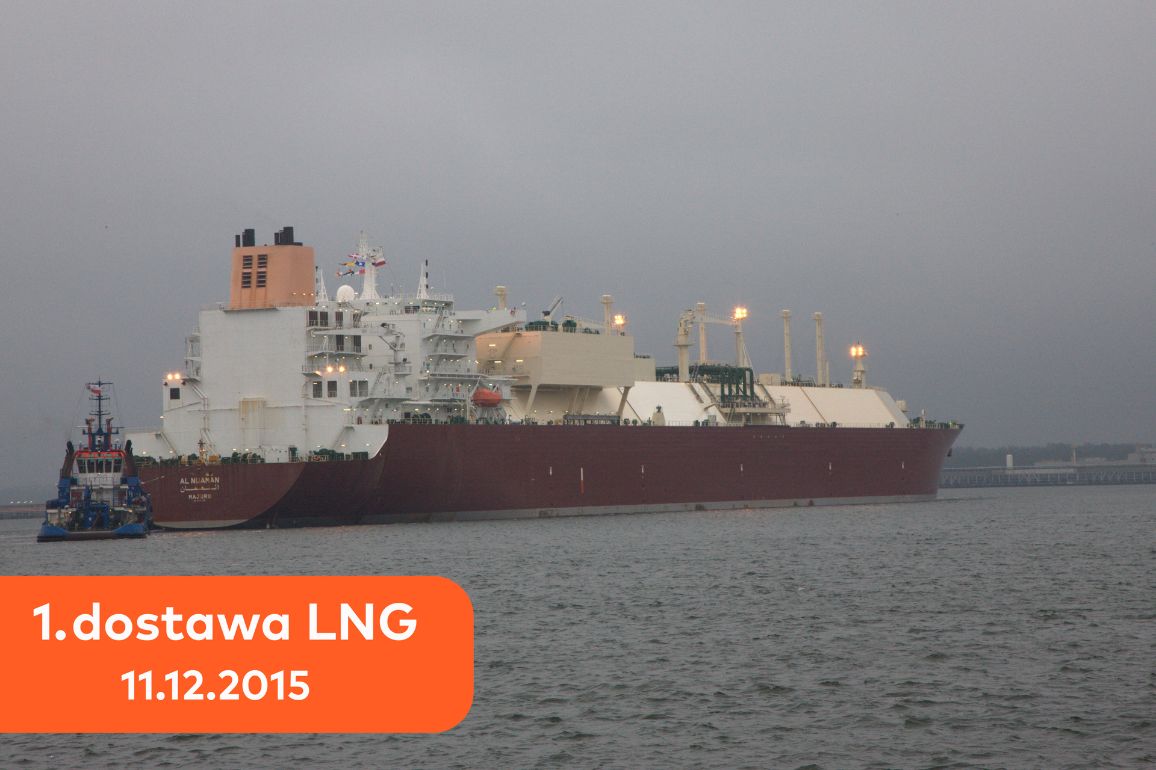
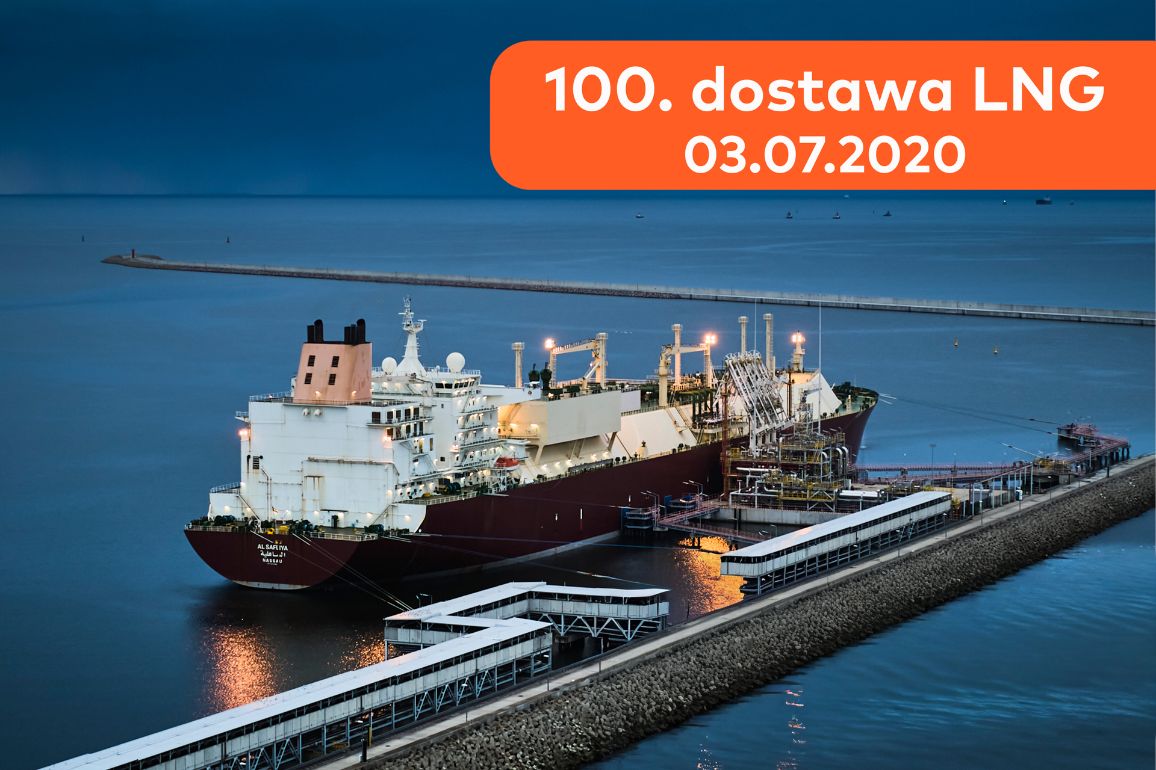
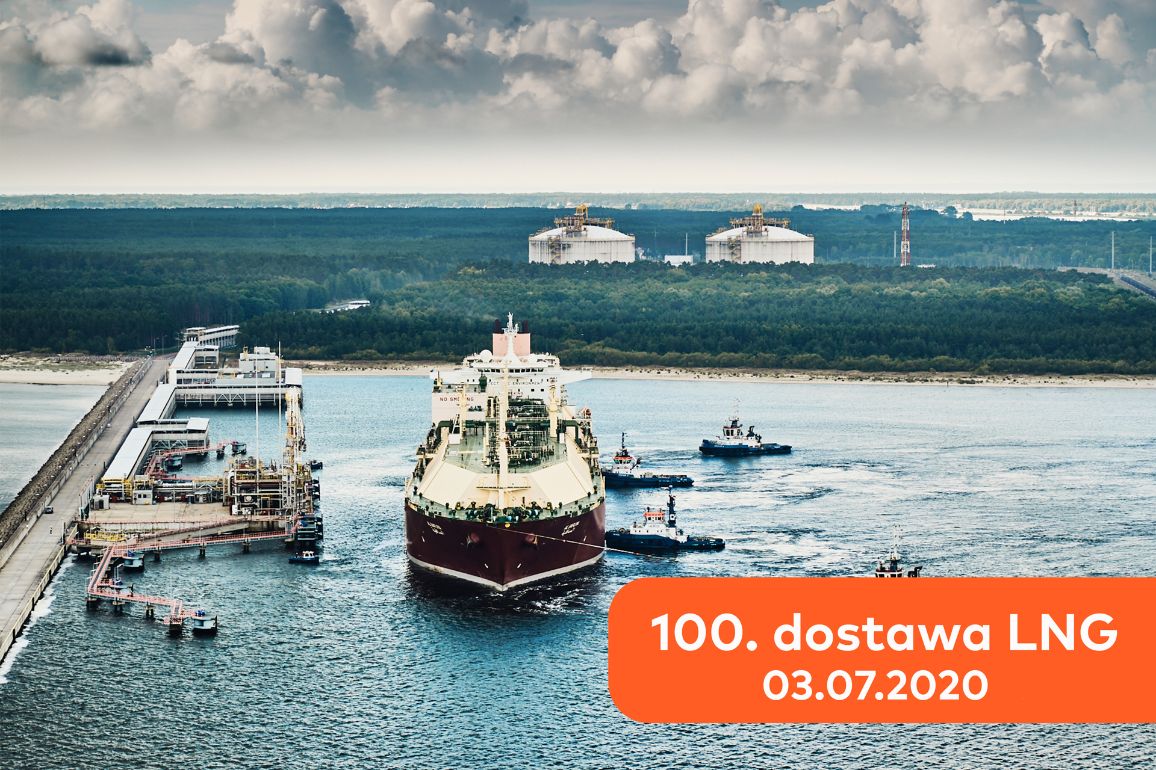
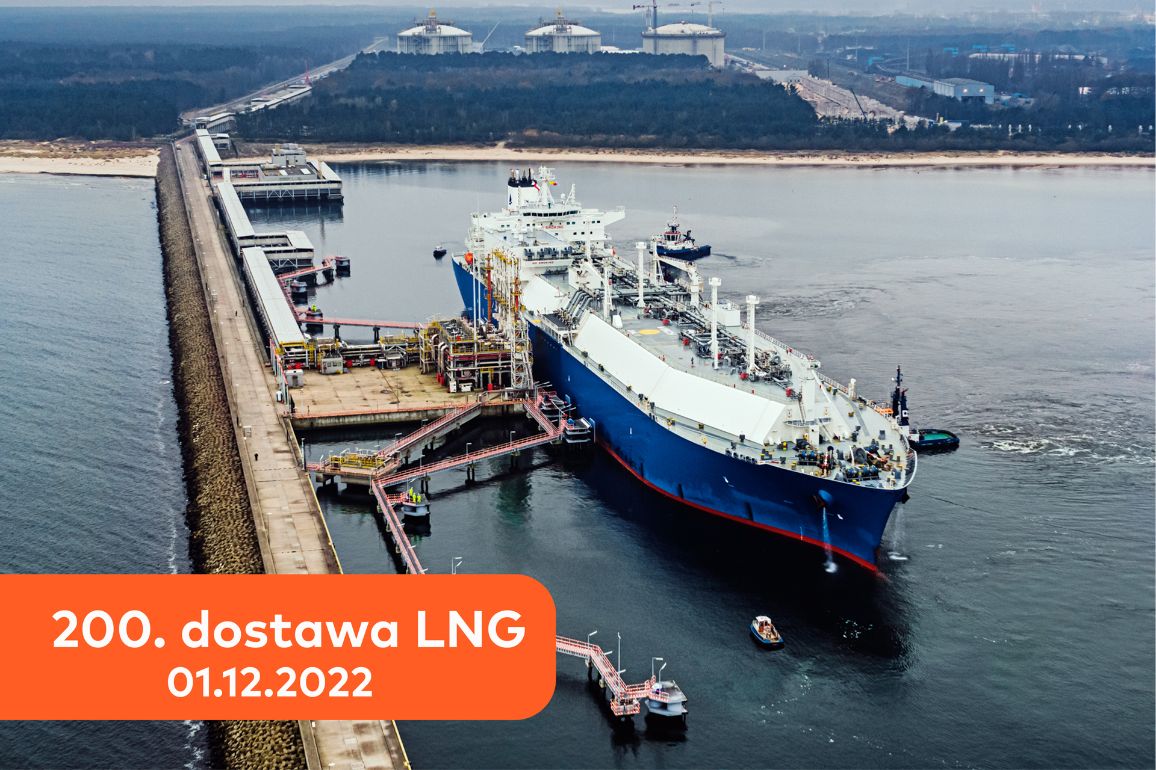
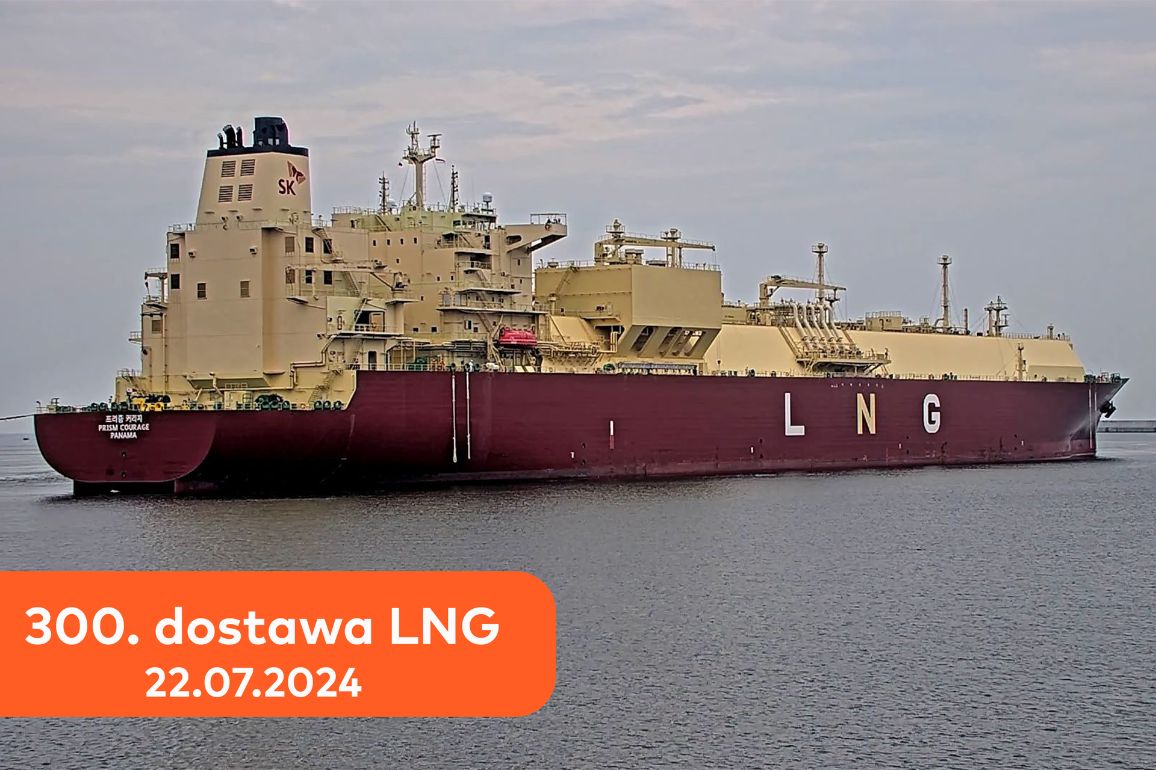
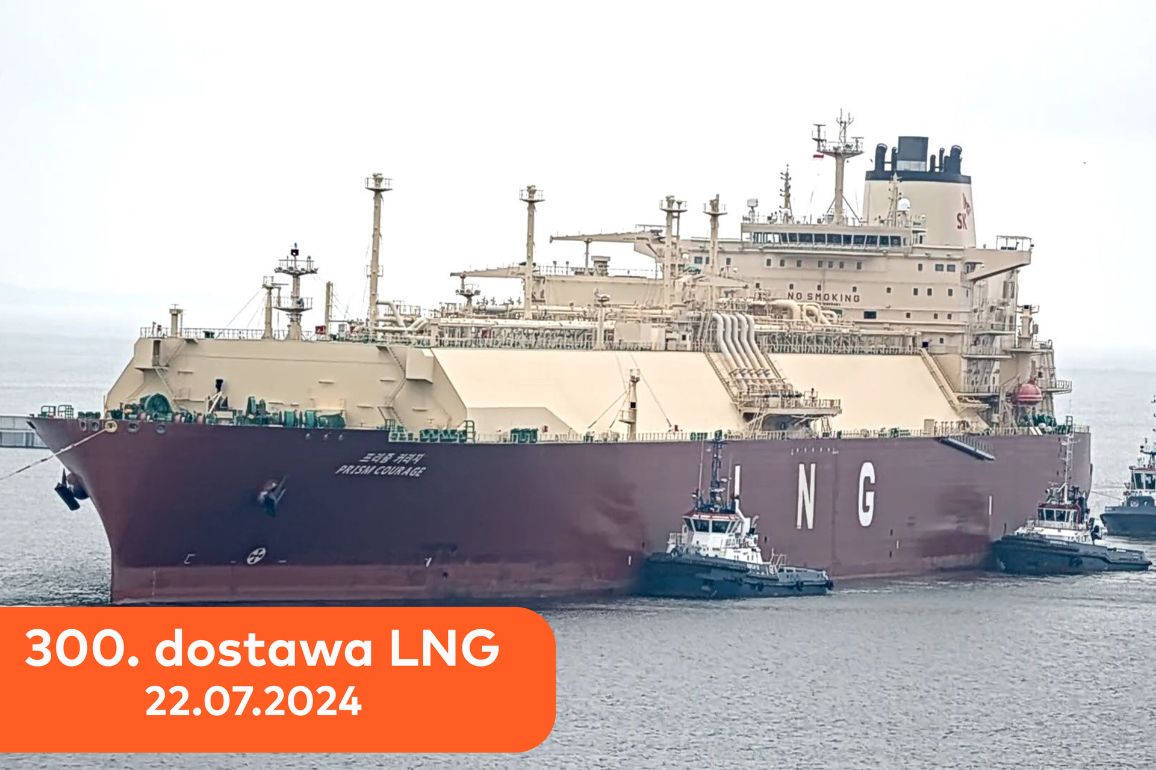
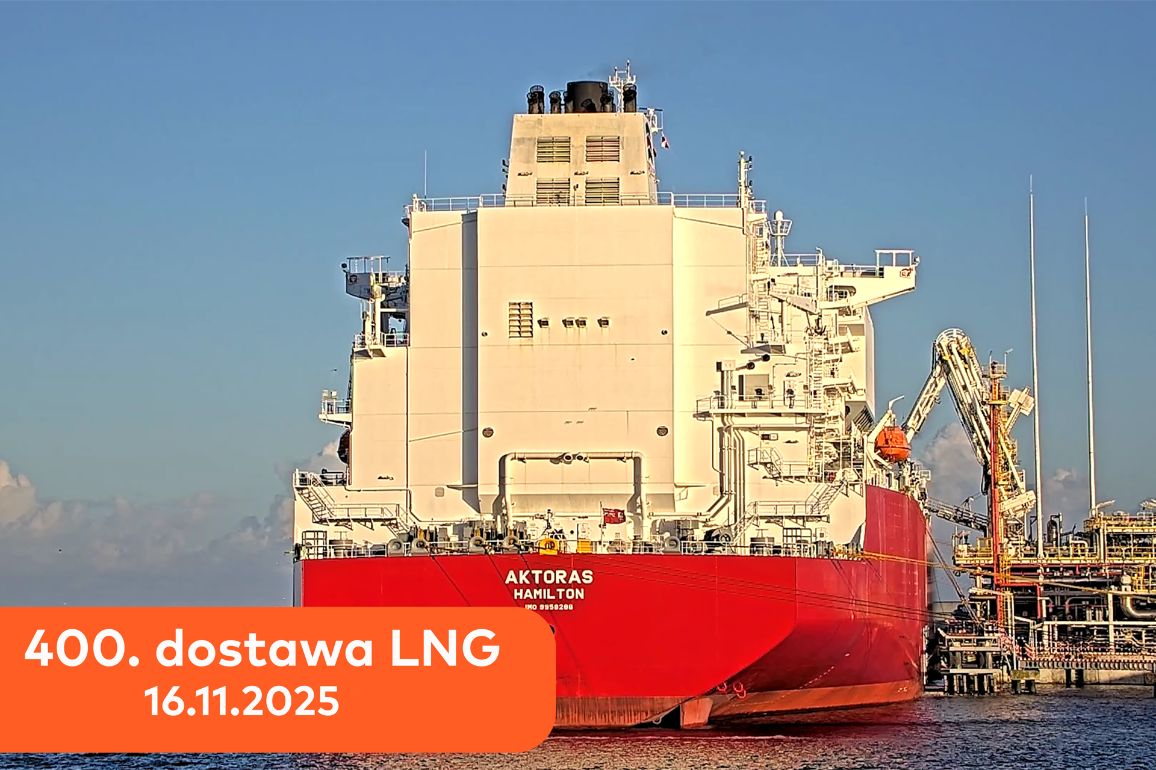
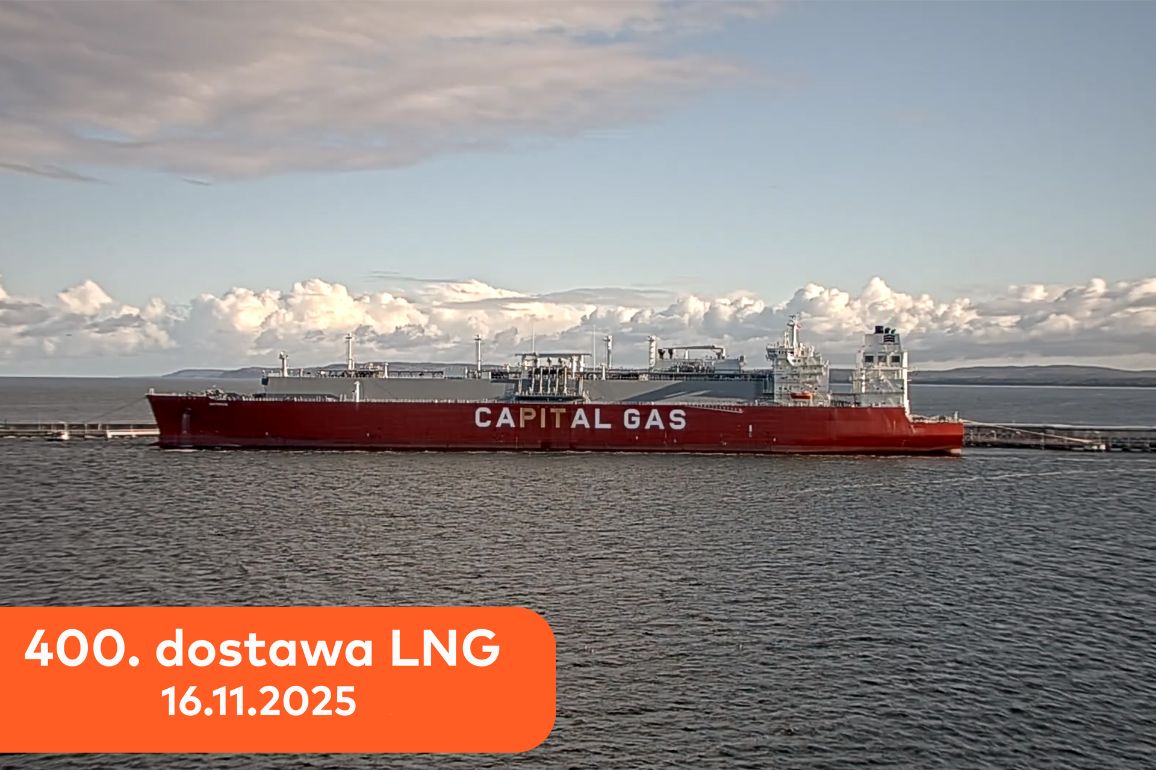
This year, 11th December marks 10 years since the first liquefied natural gas (LNG) cargo delivery to the Terminal in Świnoujście – a facility that symbolises the country's energy independence. Since that date, as much as 31 million tonnes of LNG has been imported to Poland, which after regasification amounts to over 40 billion cubic metres of gaseous fuel, or over 400 cargoes handled to date. Over the past decade, we have managed to build a solid foundation for further development of the LNG market in Poland and establishment of a regional gas hub.
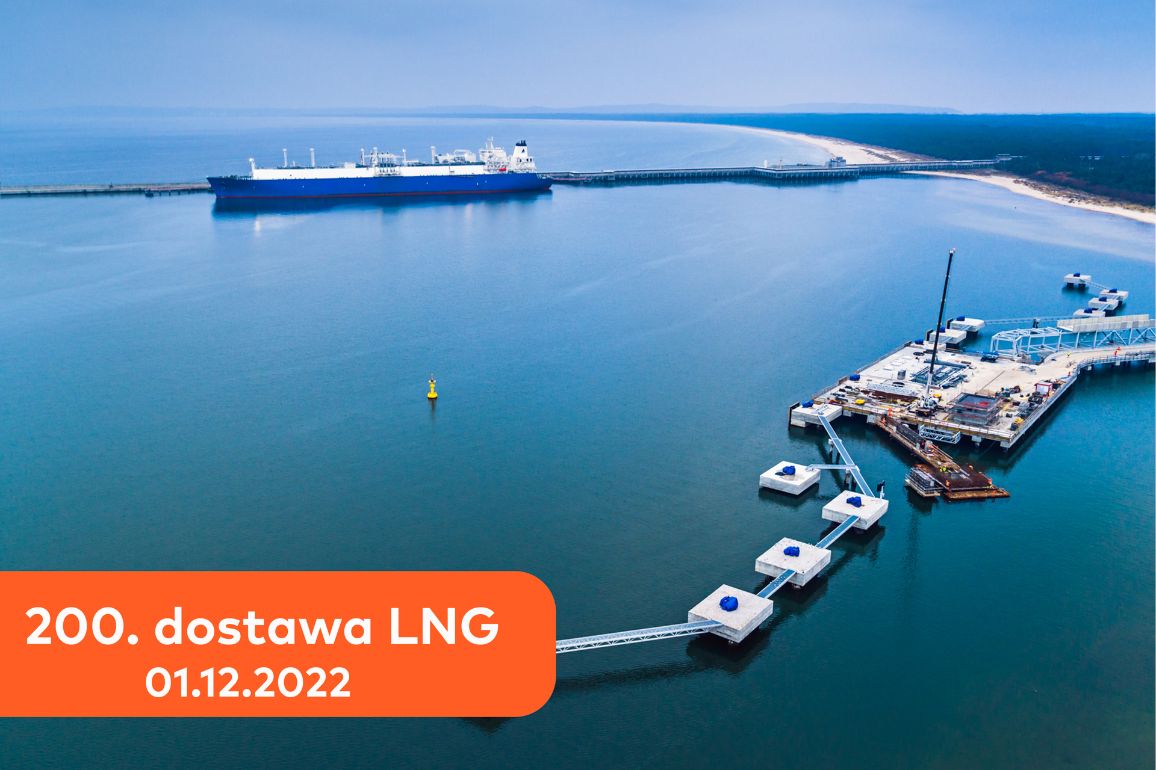
With the first carrier with liquefied natural gas arriving in Świnoujście, the diversification of directions and sources of natural gas supplies to Poland became a reality. The construction and commissioning of the LNG Terminal in Świnoujście was one of the most important infrastructure investment projects in the history of Poland and the Baltic Sea region. Today, in order to meet market expectations, GAZ-SYSTEM is building a second LNG terminal, i.e. FSRU in the Gulf of Gdańsk, which will start operations in the first half of 2028.
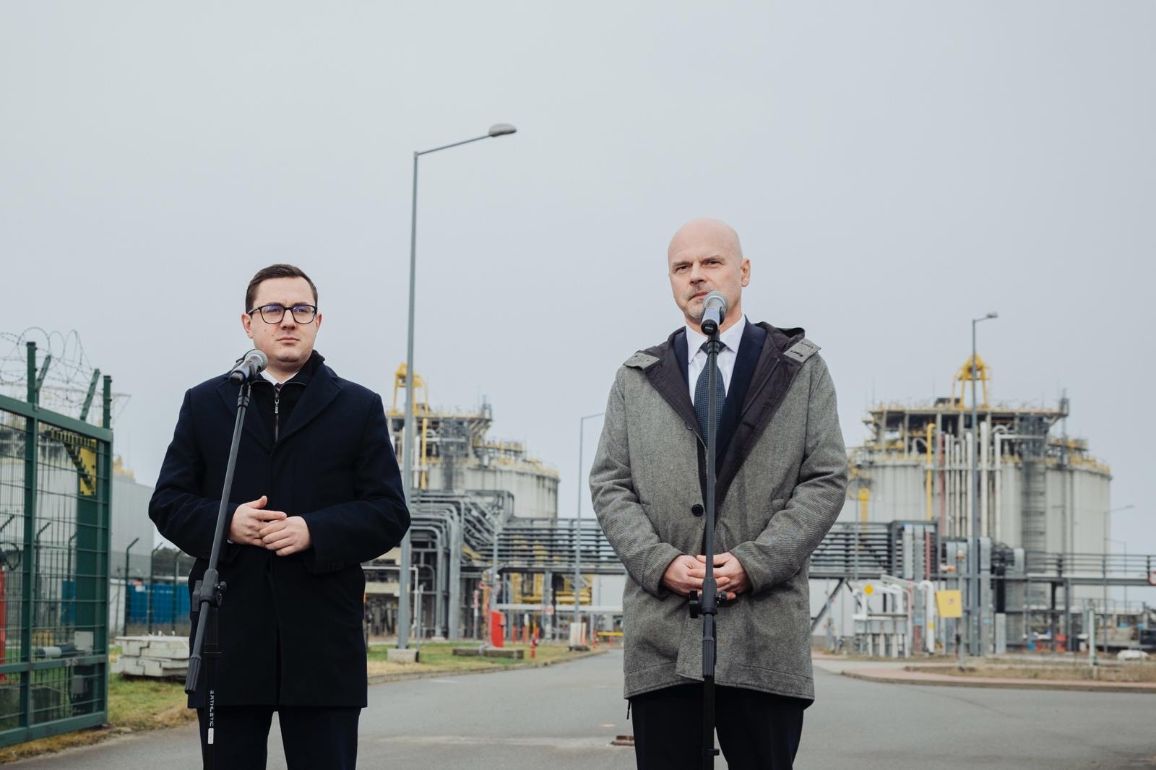
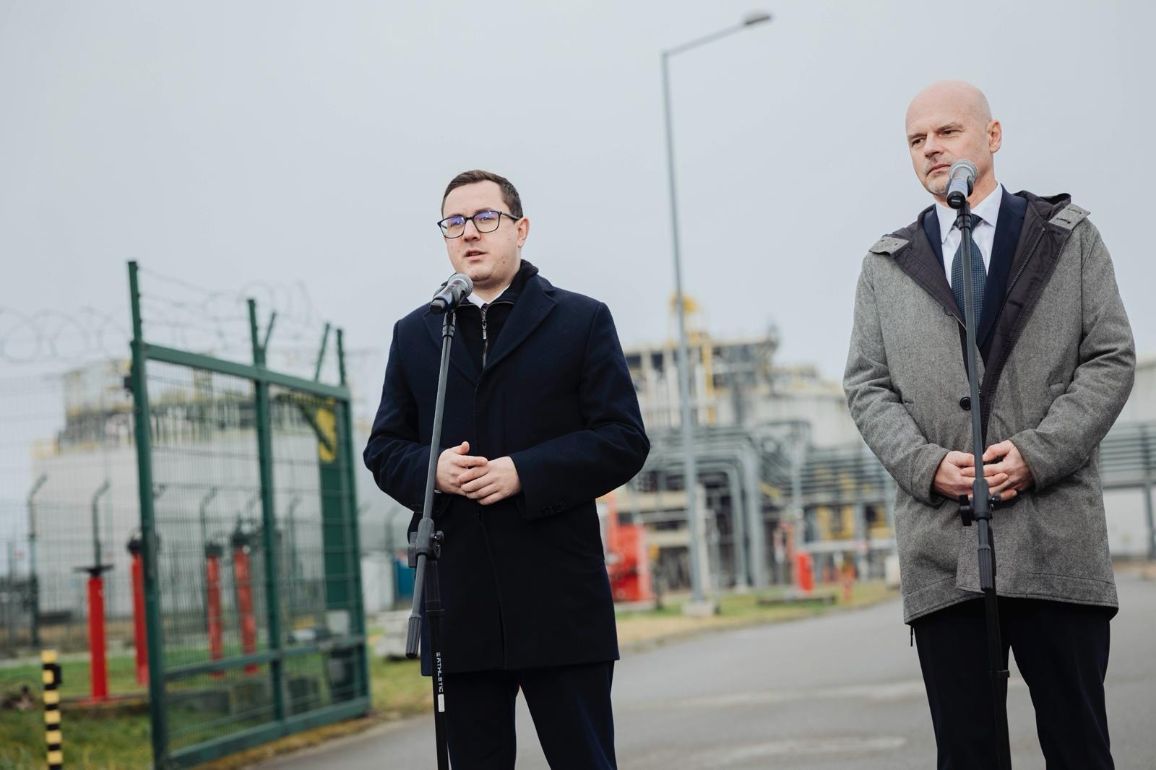
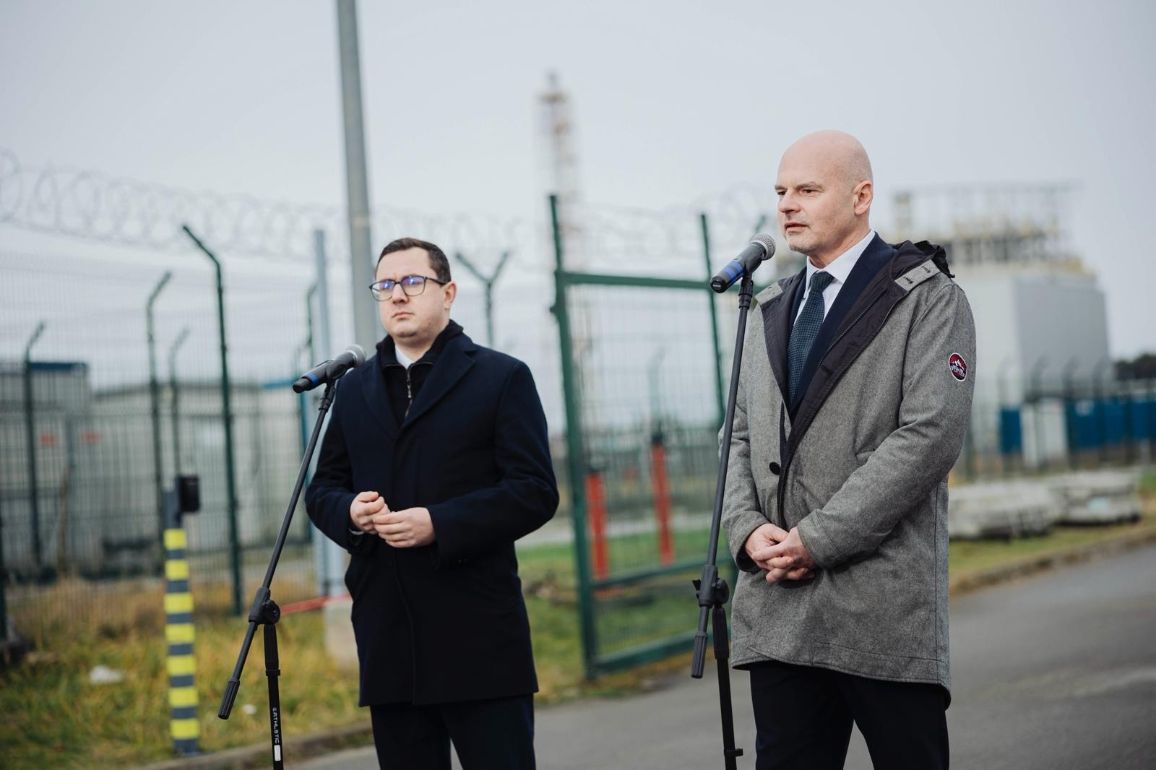
- The LNG Terminal in Świnoujście is the cornerstone of our energy security. It became one of the most important facilities built and commissioned in Poland over the past decades. Owing to the LNG Terminal, we have achieved total energy independence which is of great importance for our future. A year ago, we completed the expansion of the terminal to increase its operational capacity. Today, to bolster our energy security, we are building a second facility of this type – a floating regasification terminal in the Gulf of Gdańsk. Those facilities will contribute to the resilience of our economy and consolidate Poland's position as a leader in Central and Eastern Europe for decades to come, said Miłosz Motyka, Minister of Energy.
The role of the LNG Terminal in Świnoujście in the gas supply system to Poland and Central and Eastern Europe- The 10th anniversary of the LNG Terminal is a symbolic event; it demonstrates that we can aim high and succeed in implementing ambitious projects. Today, the LNG Terminal in Świnoujście is not only a pivotal component of the national gas transmission system enabling the diversification of directions and sources of gas imports to Poland. This also stimulates our motivation to continue our efforts to increase regasification capacity in Poland by building a floating FSRU terminal in the Gulf of Gdańsk. It is an inspiration to pursue bold plans with a view to building Poland’s position in the region by establishing a local gas hub serving the Central and Eastern Europe. We go to great lengths on these projects so that we can once again proudly demonstrate the achievements of our designers and engineers to the entire Europe and worldwide. Such projects increase our independence, ensure the stability of energy and heat supply, and build the competitiveness of our economy, emphasised Adam Bryszewski, Vice-President of the Management Board of GAZ-SYSTEM.
- One of the main entry points for gas into the national transmission system.
- Designed to receive LNG delivered from various directions (the US, Qatar, Norway, Africa and other countries supplying LNG to the global market).
- High operational flexibility of the plant – reaching maximum regasification capacity within approx. 4 hours from a standstill - technical advantage for network balancing, ensuring stable gas supply to the transmission system.
- The largest provider of liquefied gas loading services for tanker trucks in Poland (over 95% of supplies to Poland).
- Supplier of LNG tanker truck loading services to Germany, the Czech Republic and Slovakia, and occasionally to other countries.
The LNG Terminal in Świnoujście is an example of a facility that combines strategic relevance for national energy system with local social and economic benefits. Consequently, Poland is strengthening its position in terms of feedstock security, while Świnoujście and the region of West Pomerania have access to new sources of revenue, new jobs, and investment in infrastructure and economic development.
New prospects ahead
The current capacity of the LNG Terminal in Świnoujście amounting to 8.3 billion m³ per year, and the planned floating FSRU terminal to be launched in 2028 adding another 6.1 billion m³ of gas, bring Polish gas market to new heights.
As a result:
- the number of LNG cargoes delivered may increase from around 80 today to as many as 140 per year;
- some of the cargoes could also be transferred to other countries in the region, thus strengthening Poland's position as a key guarantor of energy security in Central Europe.
The new chapter: FSRU and Poland's role as the Northern Gas Gateway
The FSRU – a floating storage and regasification terminal constructed in the Gulf of Gdańsk – will significantly increase the import capacity and flexibility of the domestic gas system.
Design capacity and functionalities:
- regasification capacity: 6.1 billion m³ of gas per year,
- additional facility for spot and contract imports,
- capable of saturating winter ‘peak’ demand across the region.